Create your own morning routine for success
The morning sets the tone for the rest of the day. Learn how to design a morning routine that boosts your productivity and mood with simple exercises and habits that fit your lifestyle.
Get your e-book now

Wild Food for Beginners: How to Start Foraging

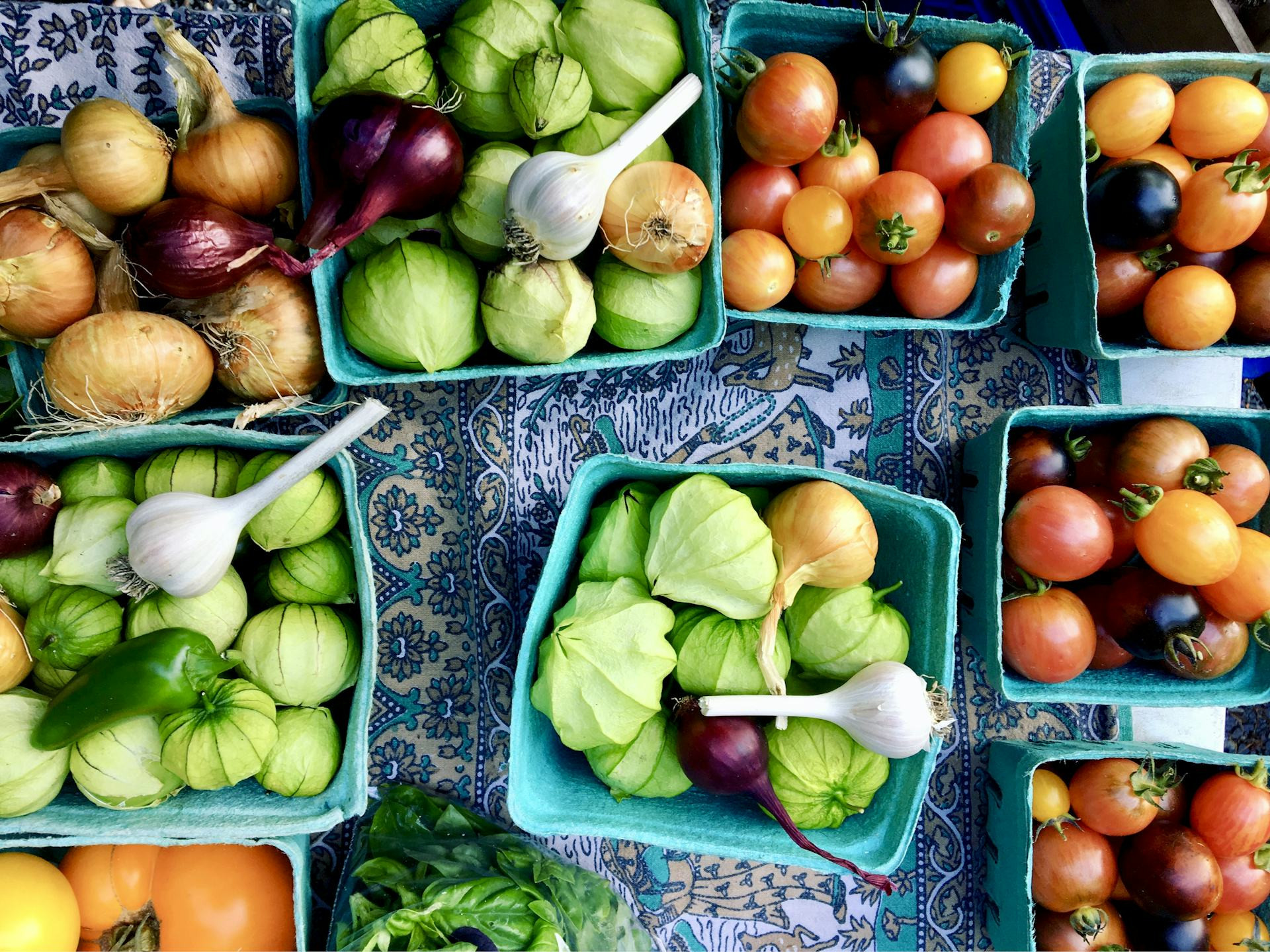
Discover the joy of finding your own food in nature’s pantry
Food
Food
4 min
Learn how to start foraging safely and confidently with this beginner’s guide to wild food. Explore the basics of identifying edible plants, following local rules, and making the most of your natural harvest while connecting with the outdoors.
Delilah Vasquez
Delilah
Vasquez

Wild Food for Beginners: How to Start Foraging

Discover the joy of finding your own food in nature’s pantry
Food
Food
4 min
Learn how to start foraging safely and confidently with this beginner’s guide to wild food. Explore the basics of identifying edible plants, following local rules, and making the most of your natural harvest while connecting with the outdoors.
Delilah Vasquez
Delilah
Vasquez

Foraging – the practice of gathering edible plants, berries, and mushrooms from the wild – is an ancient skill that’s making a big comeback. Across the U.S., more people are discovering the joy of finding food in forests, fields, and along the coast. It’s sustainable, free, and connects you deeply with nature. But how do you get started if you’ve never done it before? Here’s a beginner’s guide to wild food and foraging.

What Does Foraging Mean?

Foraging is about collecting edible ingredients that grow naturally in the wild – everything from greens and nuts to mushrooms and seaweed. You don’t need fancy gear, but you do need knowledge and respect for the environment. When you forage, you become part of a natural cycle: taking only what you need and leaving enough for wildlife and regrowth.

You can forage year-round, but spring and summer are the easiest seasons for beginners. Plants are fresh and easy to identify, and there’s plenty to find. Fall brings mushrooms, nuts, and berries, while winter offers hardy greens like chickweed and pine needles for tea.

Start with the Easy and Safe

As a beginner, it’s crucial to start with plants that are easy to recognize and have no poisonous look-alikes. Here are a few good options found across much of the U.S.:

  • Dandelion (Taraxacum officinale) – young leaves are great in salads or sautéed; flowers can be used for syrup or wine.
  • Lamb’s quarters (Chenopodium album) – a wild green similar to spinach, perfect for soups or stir-fries.
  • Wild garlic or ramps (Allium species) – smell strongly of onion or garlic; use leaves in pesto or butter.
  • Blackberries (Rubus species) – easy to identify and delicious fresh or in jam.
  • Pine needles – from most pine species, can be steeped for a vitamin C-rich tea.

Always double-check your finds with a reliable field guide or app. If you’re not 100% sure what it is, don’t eat it.

Know the Rules

Foraging laws vary by state and by land ownership, so it’s important to know where you’re allowed to gather:

  • Public lands: In many national forests and some state parks, you can forage small amounts for personal use. Check local regulations first.
  • Private property: Always get the landowner’s permission before foraging.
  • Protected areas: Never pick plants in nature preserves or areas with endangered species.
  • Sustainable harvesting: Take only what you need, and never uproot entire plants unless it’s permitted and sustainable.

Respect the land and leave no trace – the goal is to enjoy nature without harming it.

Simple but Useful Gear

You don’t need much to start foraging, but a few items make the experience easier and safer:

  • Basket or cloth bag – plastic bags trap moisture and wilt plants.
  • Small knife or scissors – for cutting herbs and mushrooms.
  • Gloves – helpful for nettles or thorny plants.
  • Field guide or app – to identify species on the spot.
  • Water and snacks – for longer walks in the woods.

Good shoes and weather-appropriate clothing are essential, too. Foraging often takes you off the beaten path.

Where to Begin

You don’t have to travel far to find wild food. Many edible plants grow right near cities and suburbs. Try exploring:

  • Forest edges and trails – great for ramps, nettles, and berries.
  • Meadows and open fields – look for dandelions, clover, and wild herbs.
  • Coastal areas – in some regions, you can find edible seaweed and beach greens.
  • Urban parks – some cities allow limited foraging, but always check local rules.

Avoid areas near busy roads or sprayed lawns, as plants there may be contaminated.

Using Your Wild Finds

Once home, clean your foraged ingredients thoroughly and use them soon. Greens and herbs keep a few days in the fridge; berries and mushrooms can be frozen or dried.

Try incorporating wild foods into your everyday cooking:

  • Make ramp pesto instead of basil pesto.
  • Add dandelion greens to a salad or omelet.
  • Use lamb’s quarters in soups or pasta dishes.
  • Brew pine needle tea for a refreshing, citrusy drink.

Foraging isn’t about replacing your entire pantry – it’s about adding new flavors and a sense of adventure to your meals.

Foraging as a Way of Life

For many people, foraging becomes more than a hobby – it’s a lifestyle. It offers exercise, mindfulness, and a deeper connection to the seasons. You start noticing the small details of nature: the first shoots of spring, the scent of wild herbs, the hum of bees around berry bushes.

Start small, learn a few plants at a time, and enjoy the process. The wild pantry is always open – you just need to know where to look.

Seal the Food In – and the Freshness Out? How Packaging Affects Food Quality
Discover how the materials around your food can make or break its freshness
Food
Food
Food Packaging
Food Quality
Sustainability
Food Safety
Innovation
4 min
Food packaging does more than just keep products together—it can affect taste, shelf life, and safety. Learn how different materials protect or harm food quality, and explore the innovations shaping the future of sustainable and smart packaging.
Logan Richards
Logan
Richards
The Taste of Childhood: How Memories Shape Our Eating Habits
Discover how the flavors of our past continue to shape the way we eat today
Food
Food
Food Culture
Memory
Psychology
Eating Habits
Nostalgia
5 min
From the scent of freshly baked cookies to the taste of a family recipe passed down through generations, our childhood memories leave a lasting mark on our eating habits. Explore how nostalgia, culture, and emotion intertwine to influence what brings us comfort and joy at the table.
Alaina Meyer
Alaina
Meyer
Wild Food for Beginners: How to Start Foraging
Discover the joy of finding your own food in nature’s pantry
Food
Food
Foraging
Wild Food
Sustainability
Nature
Outdoor Living
4 min
Learn how to start foraging safely and confidently with this beginner’s guide to wild food. Explore the basics of identifying edible plants, following local rules, and making the most of your natural harvest while connecting with the outdoors.
Delilah Vasquez
Delilah
Vasquez
Less Waste, More Purpose: Small Changes with a Big Impact on Food Waste
Simple everyday habits that help you save money, reduce waste, and protect the planet
Food
Food
Food Waste
Sustainability
Eco Living
Household Tips
Green Lifestyle
7 min
Discover how small, mindful changes in how you shop, store, and share food can make a big difference. Learn practical tips to cut food waste, stretch your budget, and live more sustainably—one meal at a time.
Jackson Phillips
Jackson
Phillips
Visual Balance on the Plate – Without Using Advanced Techniques
Simple ways to make every meal look as good as it tastes
Food
Food
Food Presentation
Home Cooking
Visual Balance
Kitchen Tips
Plating Techniques
4 min
Discover how to create visually appealing plates without professional tools or training. With a few easy principles of color, balance, and presentation, you can turn everyday meals into eye-catching experiences.
Thomas González
Thomas
González
Self-Care Through the Senses: How to Use Music, Color, and Movement Mindfully
Discover how engaging your senses can transform everyday moments into mindful self-care
Everyday life
Everyday life
Self-Care
Mindfulness
Well-Being
Sensory Awareness
Mental Health
5 min
Learn how music, color, and movement can help you reconnect with yourself and restore balance in your daily life. This article explores simple, sensory-based practices that bring calm, focus, and joy through mindful awareness.
Logan Richards
Logan
Richards
Balance in Everyday Life – More Than a Buzzword
Discover how true balance goes beyond time management and becomes a mindset for a more fulfilling life
Everyday life
Everyday life
Work-Life Balance
Wellbeing
Mindfulness
Self-Care
Personal Growth
3 min
In a world that constantly demands more of our time and attention, finding balance can feel impossible. This article explores what balance really means, how to set boundaries, and why rest and connection are essential parts of a sustainable lifestyle.
Alaina Meyer
Alaina
Meyer
When Relationships Change: How to Keep Up with Life’s Rhythm
Embrace the natural flow of changing relationships and discover balance in life’s shifting connections
Everyday life
Everyday life
Relationships
Personal Growth
Emotional Wellbeing
Life Balance
Self Care
7 min
Relationships evolve just like we do. This article explores how to navigate the changes that come with friendship, family, and love—finding harmony between holding on and letting go, and learning to move with life’s rhythm instead of against it.
Delilah Vasquez
Delilah
Vasquez
From Motion to Calm: How Physical Activity Eases Stress
Discover how moving your body can quiet your mind and bring lasting calm
Everyday life
Everyday life
Stress Relief
Mental Health
Exercise
Wellbeing
Lifestyle
3 min
Stress is a part of modern life, but relief might be closer than you think. This article explores how physical activity—from a brisk walk to a yoga session—can ease tension, boost mood, and help you find balance in a busy world.
Jackson Phillips
Jackson
Phillips
Eat with the Seasons – Vegetables That Bring Flavor and Healthy Variety
Discover how seasonal vegetables can transform your meals with freshness, flavor, and balance
Everyday life
Everyday life
Seasonal Eating
Vegetables
Healthy Living
Sustainable Food
Nutrition
2 min
Eating with the seasons brings more than just variety to your plate – it connects you to nature’s rhythm, enhances taste, and supports a sustainable lifestyle. Learn which vegetables shine in each season and how to make the most of their natural goodness all year round.
Thomas González
Thomas
González
Career and Family Life: How to Support Each Other as a Couple
Build a strong partnership by balancing ambition, love, and everyday life
Family
Family
Relationships
Work-Life Balance
Family
Communication
Personal Growth
2 min
Discover how couples can support each other in pursuing career goals while maintaining a fulfilling family life. Learn practical ways to communicate, share responsibilities, and grow together—both personally and professionally.
Logan Richards
Logan
Richards
Family Values as a Compass in Everyday Life
Rediscover what truly matters by letting shared values guide your family’s daily choices
Family
Family
Family
Values
Parenting
Relationships
Personal Growth
7 min
In a world filled with constant activity and distractions, family values can serve as a steady compass. Learn how to identify, nurture, and live by the principles that strengthen your family bonds and bring meaning to everyday life.
Alaina Meyer
Alaina
Meyer