The Taste of Childhood: How Memories Shape Our Eating Habits

The Taste of Childhood: How Memories Shape Our Eating Habits
The smell of freshly baked cookies, the sound of bacon sizzling on a Sunday morning, or the first bite of a Thanksgiving pie can instantly transport us back to childhood. Food is more than fuel—it’s memory, emotion, and identity. The flavors we grow up with shape how we eat as adults and what we associate with comfort, celebration, or home. But why do the tastes of childhood stay with us so vividly, and how do they influence our choices today?
When Taste Becomes Memory
Our sense of taste is closely linked to the brain’s emotional and memory centers. That’s why a single flavor or aroma can bring back moments from decades ago. Many Americans can recall specific childhood scenes just by tasting something familiar—perhaps a peanut butter and jelly sandwich from the school cafeteria, a grandparent’s chicken soup, or the first ice cream cone on a hot summer day.
These experiences become part of our personal food culture. They define what feels like “real food” and what gives us a sense of belonging. Even when we move away from home or travel across the country, we carry those flavors with us as a kind of culinary compass.
Læs også:

Comfort on the Plate
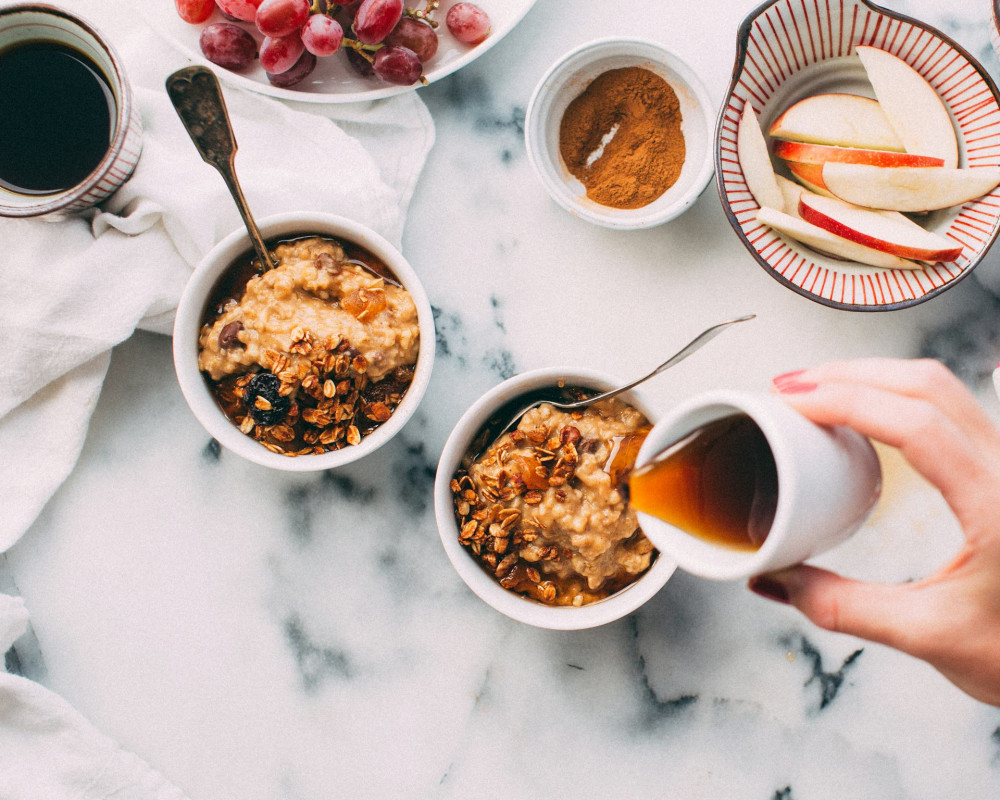
When life gets stressful or uncertain, many of us turn to the foods we grew up with. During tough times, a bowl of mac and cheese or a slice of warm apple pie can feel like a hug from the past. These dishes may not be fancy, but they offer emotional nourishment.
Research shows that “comfort food” is often tied to feelings of connection and security. Eating something that reminds us of childhood can activate the same parts of the brain that respond to social support. In that way, food becomes a tool for emotional balance—a way to find calm and comfort when we need it most.
Traditions That Bind Generations
Family recipes often carry stories that span generations. It might be Grandma’s cornbread, Dad’s chili, or the stuffing that only appears at Thanksgiving. These traditions connect us to our roots and give us a sense of continuity. When we cook the same dishes our parents and grandparents made, we become part of a larger family story.
At the same time, traditions evolve. New ingredients, travel, and cultural influences leave their mark. Maybe Grandma’s casserole now includes plant-based ingredients, or the family barbecue features new flavors inspired by global cuisines. The recipes may change, but the meaning remains: food that brings people together.
The Taste of Childhood in a Modern World
Today, our food choices are more diverse than ever. We can order sushi in small towns, find tacos on every corner, and experiment with new diets and cuisines. Yet, even in this abundance, we often return to the flavors we know best. They serve as an anchor in a fast-paced, ever-changing world.
You can see this nostalgia reflected in modern food culture—from high-end restaurants reimagining classic comfort dishes to cooking shows celebrating “mom’s recipes.” No matter how much our tastes expand, the flavors of childhood continue to shape our sense of home and identity.
When Memories Meet New Habits
Understanding how childhood food memories influence us can also help us make changes. If you grew up associating comfort with sugary treats, it might be hard to break that pattern as an adult. But by creating new, positive food experiences—perhaps with healthier versions of old favorites or new family traditions—you can reshape your palate and your habits over time.
Food, then, isn’t just about the past; it’s also about the future. We have the power to decide which memories we pass on to our own children and what flavors will define their sense of home.
The Flavor of Who We Are
The tastes of childhood are like tiny time capsules, reminding us of who we are and where we come from. They tell stories of love, family, and culture—and they stay with us for life. Every time we take a bite of something familiar, we’re not just tasting food; we’re tasting our own history.
Læs også: