From Motion to Calm: How Physical Activity Eases Stress


From Motion to Calm: How Physical Activity Eases Stress
In a world of constant notifications, tight schedules, and endless to-do lists, stress can easily take hold. Many people turn to meditation, deep breathing, or digital detoxes to find relief—but one of the most powerful ways to calm the mind actually starts with moving the body. Physical activity doesn’t just strengthen muscles and improve endurance; it also helps restore mental balance. Here’s how movement can become your best ally in managing stress and finding calm.
The Body’s Natural Reset Button
When stress hits, your body reacts instantly—your heart rate rises, muscles tense, and breathing quickens. This “fight or flight” response is useful in short bursts, but when it lingers, it can wear you down. Exercise helps reset this system. By moving, you use up the energy that stress hormones like cortisol have triggered, allowing your body to return to a more relaxed state afterward.
Even a short walk can make a difference. Research from the American Psychological Association shows that just 20–30 minutes of moderate activity a day can lower cortisol levels and boost feelings of well-being. It’s not about performance or intensity—it’s about giving your body a chance to move naturally and release tension.
Endorphins: The Body’s Built-In Stress Relievers
When you exercise, your brain releases endorphins—often called “feel-good” chemicals. These natural mood boosters act as the body’s own stress relievers, creating a sense of lightness and satisfaction. At the same time, activity increases levels of serotonin and dopamine, neurotransmitters that help regulate mood, focus, and sleep.
This means that regular physical activity doesn’t just ease stress in the moment—it also builds resilience over time. Many people notice that after a run, bike ride, or swim, their thoughts feel clearer and their mood more balanced. The body, in essence, helps the mind find its way back to calm.
The Power of Nature and Movement
Combine movement with time outdoors, and the benefits multiply. Studies from the University of Michigan and other U.S. research institutions show that spending time in green spaces lowers blood pressure, reduces anxiety, and improves mental clarity. A walk through a park, a hike in the woods, or even a few minutes sitting under a tree can have a measurable calming effect.
Nature engages the senses in gentle ways—the sound of birds, the scent of pine, the sight of open skies—all of which help the brain shift from alert mode to relaxation. That’s why so many people find that their best ideas or moments of peace come while moving outside.
Finding the Right Kind of Movement for You
There’s no single “correct” way to move. The key is to find an activity you enjoy and can fit into your daily life. For some, that’s running or strength training; for others, it’s dancing, yoga, or a simple walk around the block.
- Gentle activities like yoga, tai chi, or stretching combine movement with mindful breathing, helping you find calm from within.
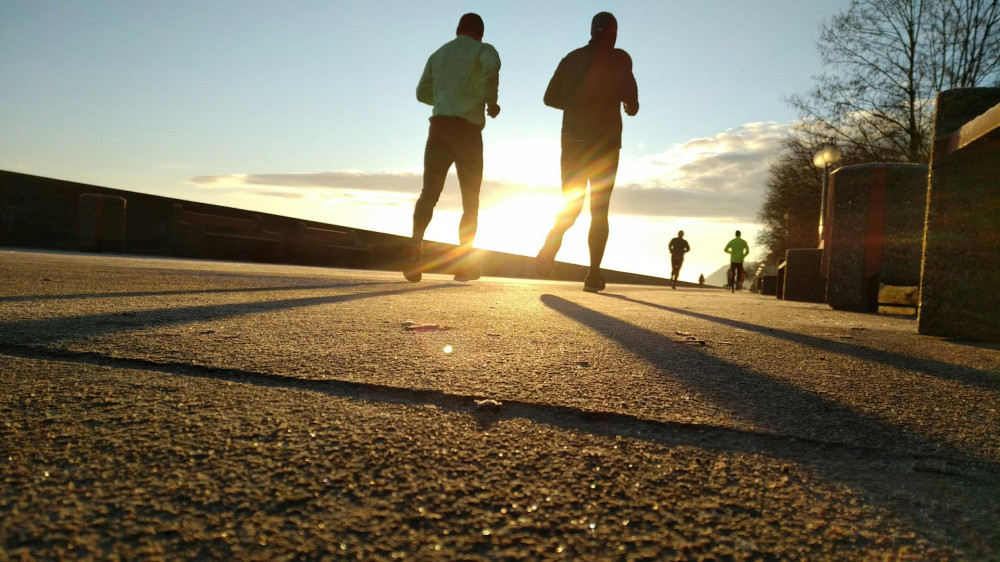
- Cardio workouts such as jogging, cycling, or swimming help burn off stress hormones and boost energy.
- Everyday movement—taking the stairs, walking the dog, or parking farther from the store—can be enough to keep stress levels in check when done consistently.
Consistency matters more than intensity. Small, regular bouts of movement have a far greater impact on stress than occasional, strenuous workouts.
Movement as a Mental Break
Exercise also offers a mental pause from the constant stream of thoughts and worries. When you focus on your body—on your breathing, your stride, or the rhythm of your movement—you give your mind a chance to rest. Many people find that problems that once felt overwhelming seem more manageable after a workout or a walk.
It’s no coincidence that creative ideas often surface during physical activity. Movement stimulates the brain, enhances creativity, and helps process emotions. In this way, exercise becomes not just a stress reliever, but a tool for clarity and focus.
Læs også:




Making Movement Part of Everyday Life
Using movement to manage stress doesn’t require a major lifestyle overhaul. Start small and build gradually. Set realistic goals—like walking three times a week, joining a local fitness class, or taking a short stretch break during work hours. The key is to make it enjoyable and sustainable.
Over time, you’ll discover that physical activity isn’t just about staying fit—it’s about creating balance between body and mind. When you move, you give yourself permission to pause, breathe, and reset. And in that space between motion and stillness, calm begins to grow.
Læs også: