Find Peace Through Creativity: A Path to Balance in a Busy Life

Find Peace Through Creativity: A Path to Balance in a Busy Life
In a world that never seems to slow down, finding moments of calm can feel almost impossible. Between work deadlines, family responsibilities, and the constant buzz of notifications, our minds rarely get a break. Yet, one of the most powerful ways to restore balance might be simpler than we think: creativity. Whether you paint, write, garden, or play music, creative expression can offer a meaningful pause from the noise of everyday life.
Creativity as a Mental Reset
When you immerse yourself in a creative activity, your brain shifts focus. The endless to-do lists and worries fade into the background, and you become more present in the moment. It’s a form of active meditation—one that doesn’t require silence or stillness, but rather engagement and flow.
Research from American universities has shown that creative activities can lower stress levels, improve mood, and even enhance problem-solving skills. The key isn’t to create something perfect, but to give yourself permission to explore, experiment, and simply enjoy the process.
Making Space for Creativity
You don’t need a studio or expensive materials to be creative. What matters most is carving out a small space—both physical and mental—where you can let go of expectations and reconnect with yourself.
- Set aside time – even 20 minutes a few times a week can make a difference.
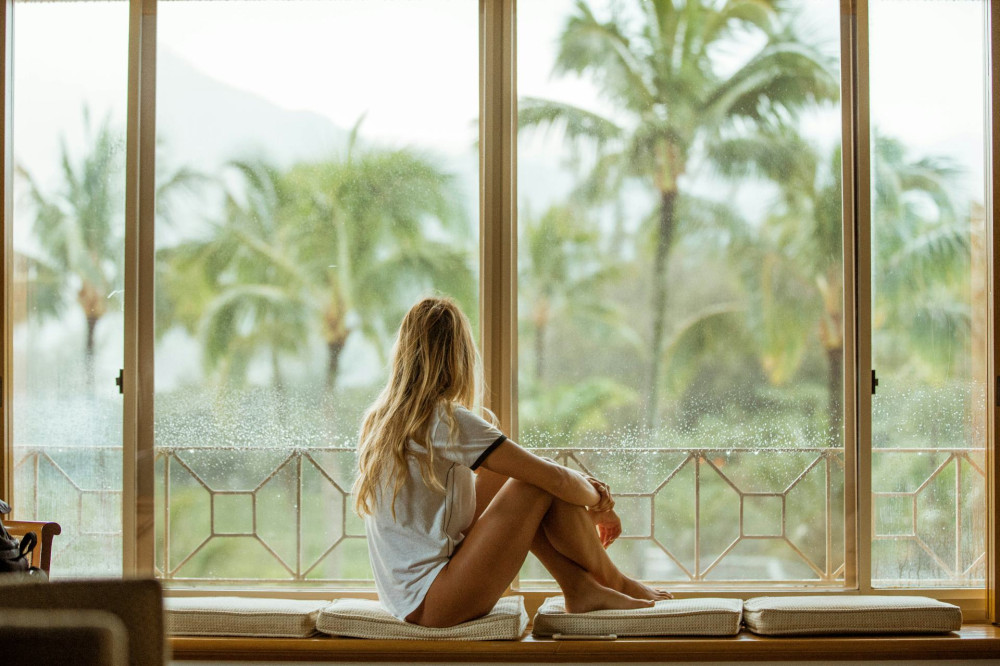
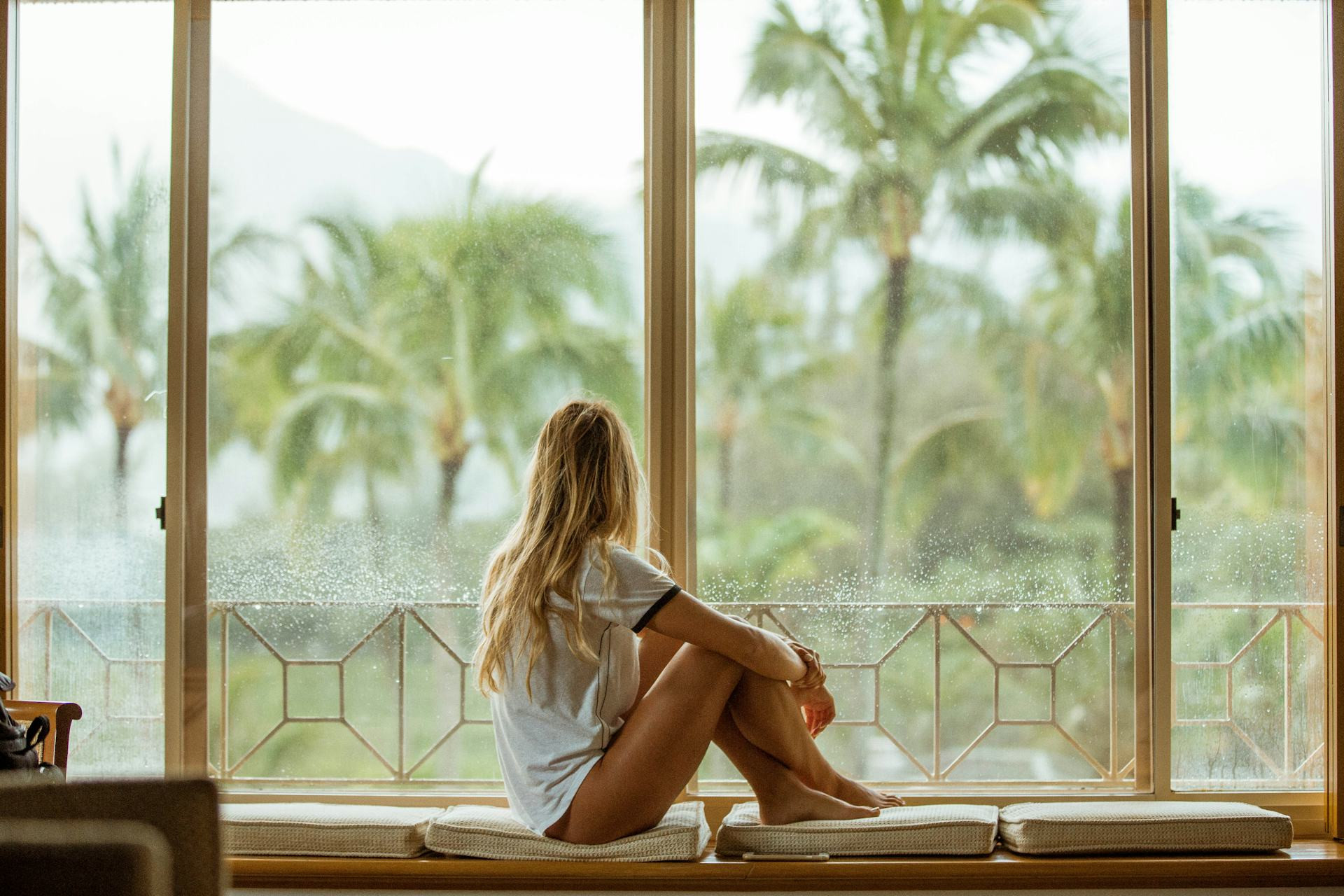
- Create a space – a corner of your living room, a desk by the window, or a spot in your backyard can become your creative zone.
- Minimize distractions – silence your phone, play calming music, and allow yourself to get lost in the moment.
When creativity becomes a regular part of your routine, it turns into a natural outlet for stress and a source of renewal.
Let Go of Perfectionism
Many people hesitate to start creative projects because they fear they’re “not good enough.” But creativity isn’t about skill—it’s about expression. When you release the need for perfection, you open the door to discovery and joy.
Allow yourself to make mistakes, to paint without a plan, or to write without editing. Often, it’s in the imperfect moments that we find the most peace and authenticity.
Læs også:

Creativity as Self-Care
Engaging in creative activities is a powerful form of self-care. It’s time you give yourself—not to achieve or perform, but to reflect and recharge. Many people find that creativity helps them process emotions and gain clarity in ways that words alone cannot.
You might paint to express a feeling, journal to untangle your thoughts, or knit to find rhythm and calm. Whatever form it takes, creativity becomes a language for what’s inside—a way to listen to yourself more deeply.
Finding Your Own Path
There’s no single right way to be creative. Some people find peace in photography, others in cooking, woodworking, or gardening. The important thing is to choose something that feels natural and enjoyable to you.
Start small, and let your creative practice grow at its own pace. Over time, you’ll notice that creativity not only brings calm in the moment but also strengthens your ability to handle life’s challenges with more balance and resilience.
A Quiet Counterbalance to a Fast World
In a culture that prizes productivity and speed, creativity offers a quiet counterbalance. It reminds us that we don’t always have to be doing more—that peace can be found in the act of making, not just achieving.
When you create with your hands, your words, or your imagination, you also create space for yourself—a space to breathe, to slow down, and to simply be.
Læs også: