Visual Balance on the Plate – Without Using Advanced Techniques

Visual Balance on the Plate – Without Using Advanced Techniques
When we eat, it’s not just about taste. As the saying goes, we eat with our eyes first—and there’s truth to that. A plate that looks inviting and balanced can make even a simple meal feel special. But how do you create visual harmony without fancy tools or professional training? Here are some easy principles you can use at home.
Start with Color
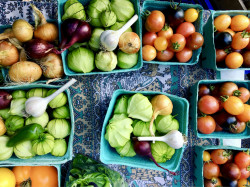
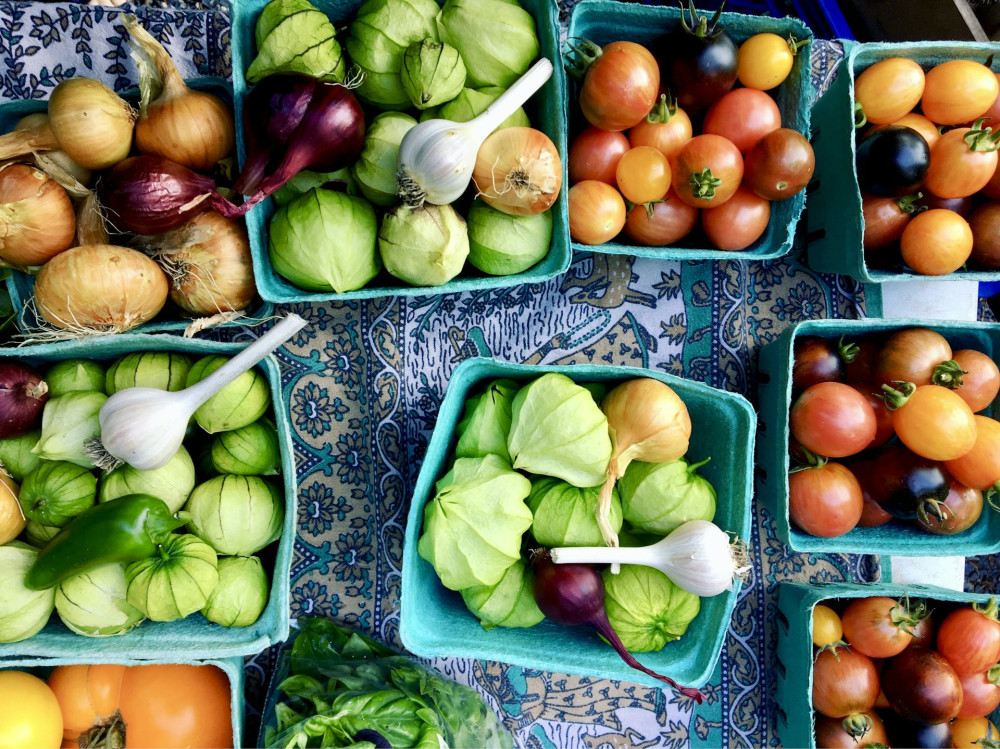
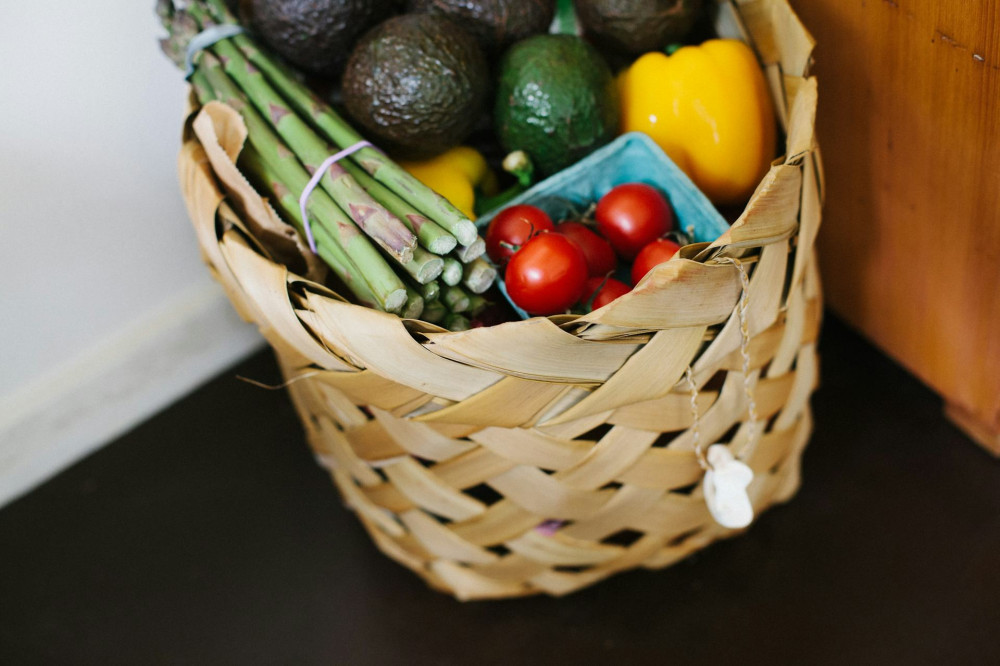
Color is the first thing we notice. A plate with contrasting colors looks fresh and appetizing, while a dish that’s all one tone can seem heavy or dull. Try mixing different shades—think green vegetables, red tomatoes, and golden chicken or fish.
A good rule of thumb is to aim for three colors on the plate. It adds life without looking messy. If your dish naturally has fewer colors, add a pop of green herbs, a slice of lemon, or a drizzle of olive oil to create variety.
Arrange with Intention
Visual balance also depends on how the food is placed. Imagine your plate as a clock face: put the main item around six o’clock, vegetables or salad at two, and starches like rice, potatoes, or bread at ten. This creates a natural flow for the eye.
Avoid overcrowding the plate. Leaving a little space around the food makes it look more elegant—and easier to eat. For stews or pasta dishes, use a spoon to shape a neat portion in the center and let the sauce pool gently around it.
Læs også:

Play with Height and Texture
Even without special tools, you can add dimension. Layer vegetables underneath and place the protein on top, or finish with a crunchy topping for texture. This adds depth and makes the dish more visually interesting.
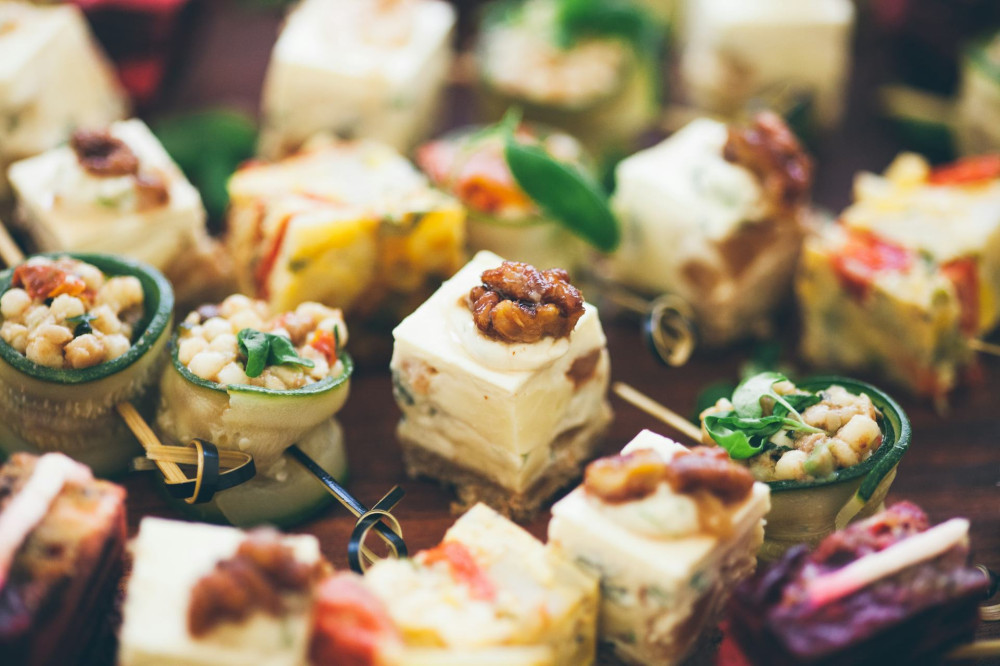
Think about texture, too: something crisp, something soft, something creamy. A piece of toasted bread with a smooth soup or a sprinkle of roasted nuts on a salad can make a big difference—both in look and taste.
Use the Plate as Your Canvas
Your plate is your frame. A white plate highlights colors best, but dark or colored plates can create striking contrast with lighter foods. Choose a size that fits the portion—too large a plate can make the food look sparse, while too small can feel cluttered.
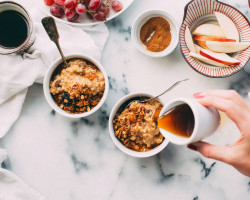
If you want to add a finishing touch, drizzle a bit of sauce, olive oil, or balsamic around the food. You don’t need to be artistic—just a few drops or a gentle swirl can make the presentation look polished.
Light and Setting Matter
Even the most beautiful plate can lose its appeal in poor lighting. Natural light from the side is most flattering, but warm kitchen light works well too. Avoid harsh overhead light that casts strong shadows.
Consider the surroundings as well: a clean table, a simple napkin, and a glass of water or wine can complete the picture. It’s not about perfection—it’s about creating a calm, inviting atmosphere.
Make It a Habit, Not a Task
Creating visual balance doesn’t have to take extra time. Once you start thinking about color, shape, and placement, it becomes second nature. It can even make everyday meals more enjoyable to prepare—and to eat.
So next time you serve dinner, look at your plate as a small canvas. With just a few thoughtful touches, you can turn even the simplest meal into something that looks as good as it tastes.
Læs også: