Urns and Storage: What Happens Before the Ashes Are Laid to Rest?

Urns and Storage: What Happens Before the Ashes Are Laid to Rest?
When a loved one is cremated, it often marks the beginning of a new stage in saying goodbye—not the end. Before the ashes are placed in their final resting place, whether in a cemetery, columbarium, or scattered in a meaningful location, they go through several careful steps. Many families are unaware of what happens between the cremation itself and the moment the urn is laid to rest. Here’s a look at that process—from the crematory to the final farewell.
From Casket to Ashes
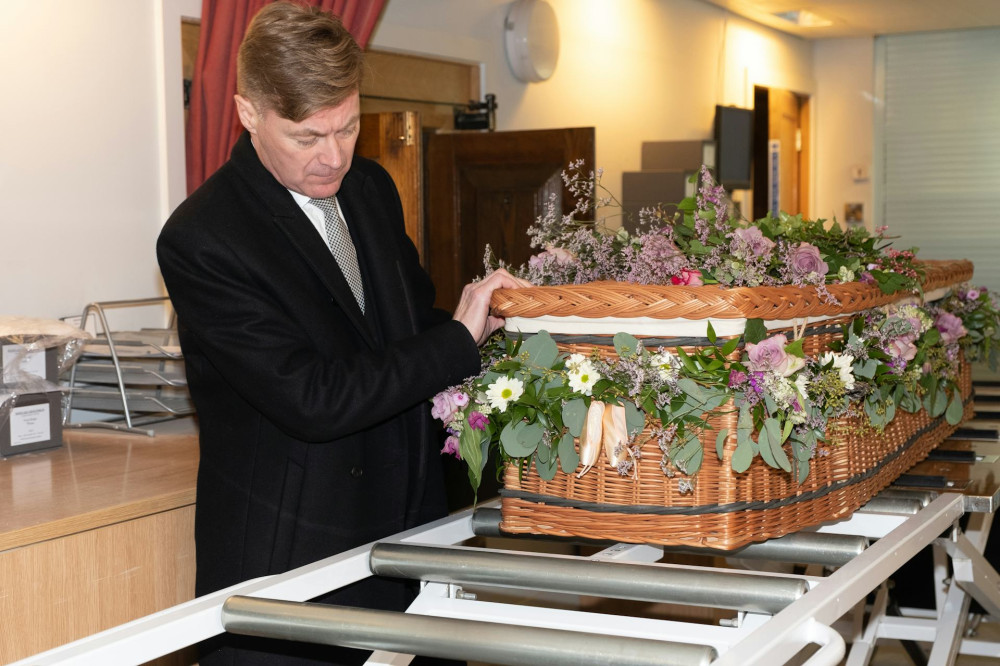
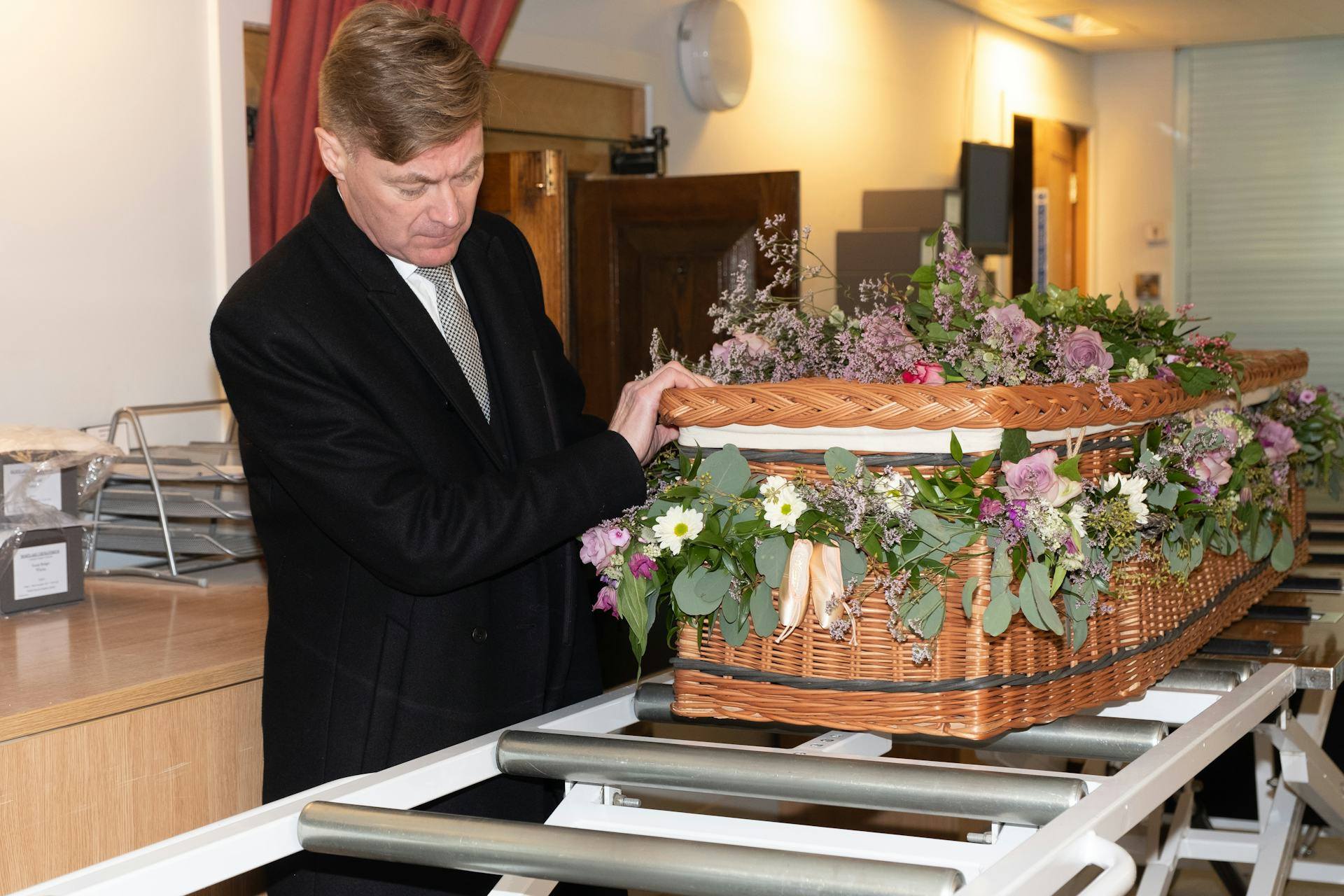
After a funeral or memorial service, the casket is transported to a licensed crematory. There, the identity of the deceased is verified multiple times to ensure accuracy and respect. The cremation process takes place in a specialized chamber at very high temperatures. After a few hours, what remains are bone fragments, which are then cooled and processed into a fine, sand-like consistency.
The ashes are placed in a temporary container, clearly labeled with the deceased’s name and an identification number. This ensures that the remains are always traceable and handled with care. Only after this step are the ashes transferred into the urn chosen by the family.
Læs også:

Choosing an Urn – More Than Just a Container
An urn is both a practical vessel and a deeply symbolic object. It can reflect the personality, beliefs, or wishes of the person who has passed, as well as the sentiments of their family. Some families choose traditional ceramic or metal urns, while others prefer wood, glass, or biodegradable materials designed for burial or scattering.
There are also urns created for specific purposes—such as water-soluble urns for sea scatterings or eco-friendly designs that naturally return to the earth. Funeral homes and crematories across the U.S. typically offer a wide range of options, allowing families to select something that feels meaningful and appropriate.
Storage Before the Final Resting Place
Once the ashes are placed in the urn, they are usually stored temporarily until the final arrangements are made. In the United States, families have more flexibility than in some other countries. Depending on state laws, ashes can often be kept at home, placed in a cemetery niche, buried, or scattered in a permitted location.
If the family needs time to plan a memorial or coordinate travel, the crematory or funeral home can hold the urn safely until the chosen date. The time between cremation and the final resting place varies—some families move quickly, while others take weeks or months to prepare a fitting farewell.
The Interment Ceremony – A Quiet Moment of Closure
The placement of the urn, whether in the ground, a columbarium, or another setting, can be a deeply personal ceremony. Some families choose a small, private gathering, while others hold a formal service with clergy, music, and readings. The urn may be lowered into the earth, sealed in a niche, or placed in a family plot.
For many, this moment represents the true goodbye—a time to reflect, to grieve, and to find peace in knowing that their loved one’s remains have found a dignified resting place.
Scattering the Ashes – A Final Act of Freedom
More Americans are choosing to have their ashes scattered in nature—over the ocean, in a favorite park, or another meaningful location. Regulations vary by state and by location, so it’s important to check local laws or obtain necessary permissions. Some families perform the scattering themselves, while others work with professionals who specialize in memorial scatterings.
Even when ashes are scattered and no physical grave exists, many families create a symbolic place of remembrance—a garden, a memorial bench, or a special spot at home—to honor the memory of their loved one.
A Final Rest – and a Place to Return To
Whether the ashes are buried, placed in a columbarium, or released into the wind, the final resting place is about more than storage. It’s about creating a space—physical or symbolic—where those left behind can return, remember, and find comfort.
Understanding what happens before the ashes are laid to rest can bring reassurance during a difficult time. It reminds us that even in the most practical steps, there is care, respect, and a quiet form of love.
Læs også: