Give New Life to Old Headstones – With Respect for Their History

Give New Life to Old Headstones – With Respect for Their History
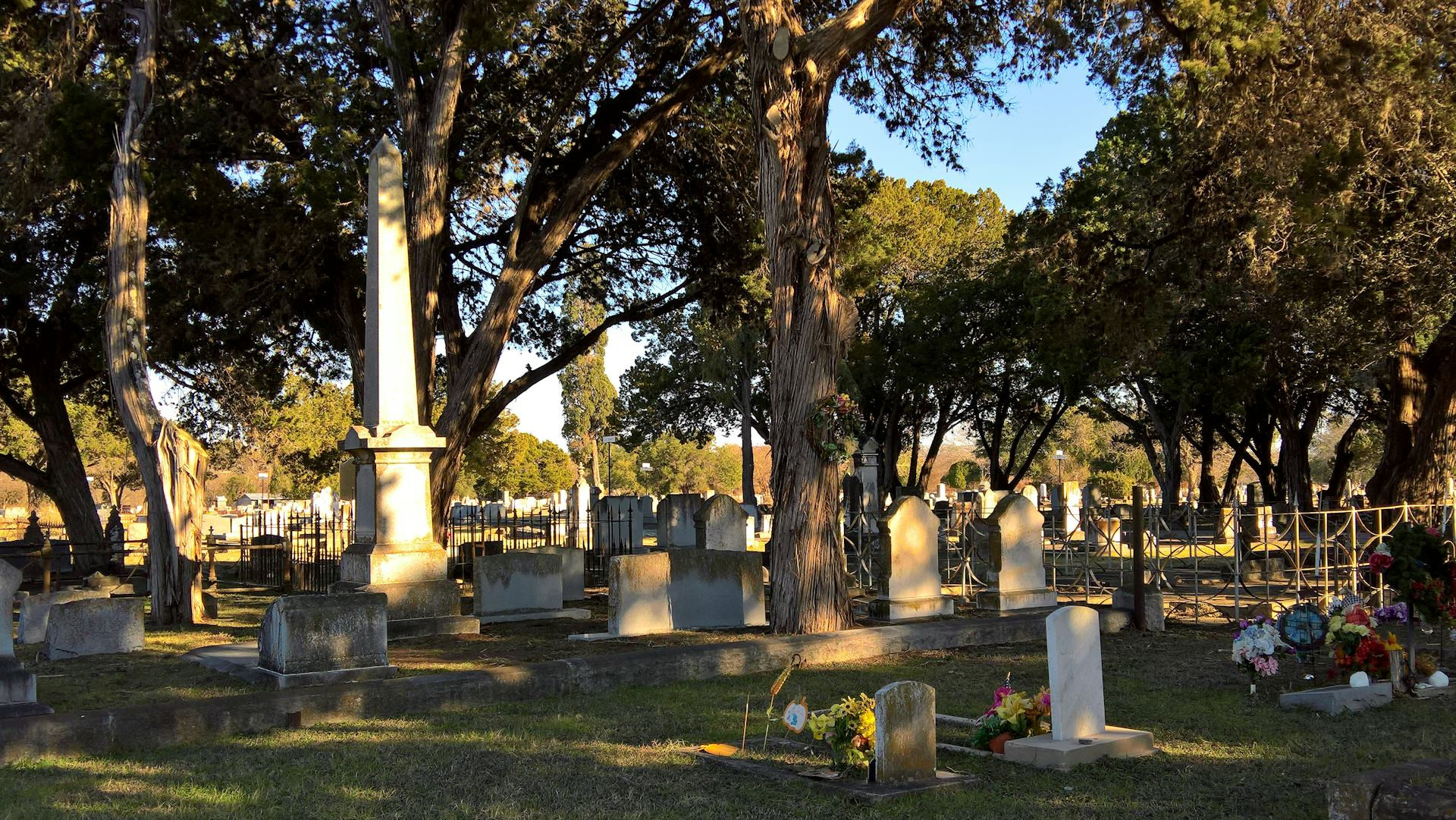
Old headstones tell stories of people, families, and communities that shaped the places we live in today. Yet many of these stones now stand weathered, broken, or forgotten, with no relatives left to care for them. Across the United States, a growing number of cemeteries, stone carvers, and private citizens are finding ways to give these markers new life—honoring their history while finding new purpose for the materials.
When a Headstone Loses Its Place
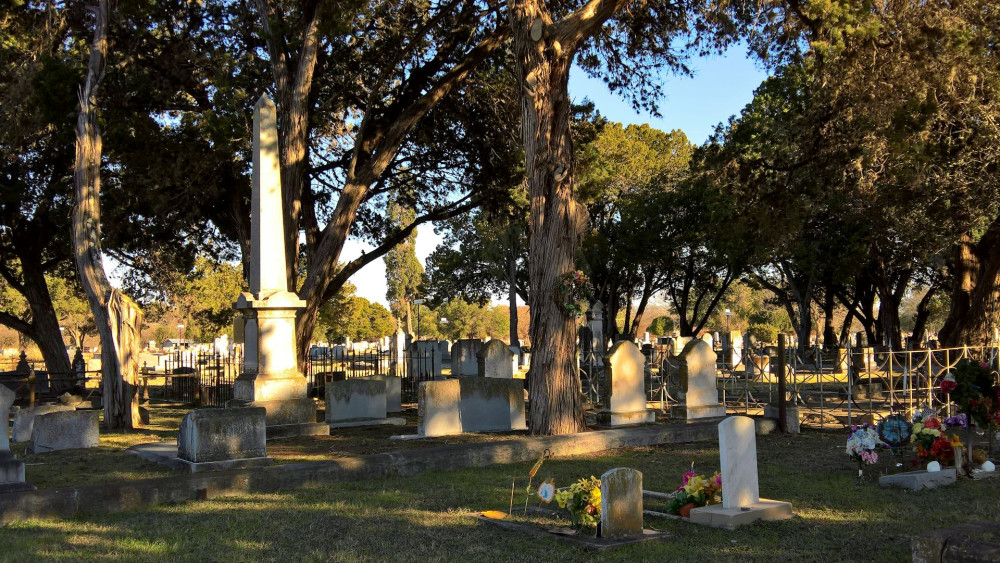
In most American cemeteries, a headstone remains in place as long as the burial plot is maintained. When perpetual care is not arranged, or when older sections of cemeteries are repurposed, stones may be removed. In the past, many were discarded or crushed for fill. Today, however, there is increasing interest in preserving and reusing them.
This shift is driven by both environmental awareness and appreciation for craftsmanship. Granite and marble—common materials for headstones—can last for centuries. Reusing them conserves resources, reduces waste, and keeps a tangible piece of history alive.
Ethical Considerations: Respect Comes First
Reusing a headstone requires sensitivity. For many families, a grave marker is a deeply personal symbol of remembrance. Any effort to repurpose one must begin with respect for the deceased and their descendants.
Before a stone is reused, the original inscription is usually removed by sanding or polishing the surface. Some people choose to preserve parts of the original design—such as initials, dates, or decorative carvings—as a way to let the story continue.
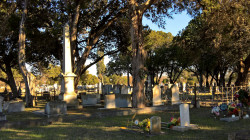
Some cemeteries have also created “heritage sections” or memorial gardens where old stones are displayed as historical artifacts. Visitors can walk among them, learning about local history and craftsmanship without disturbing active burial sites.
Læs også:

From Headstone to Garden Art or Memorial Space
Once a headstone is no longer in use, it can take on new forms. Monument companies sometimes reshape old stones into new memorials, blending old material with new inscriptions. Others transform them into benches, stepping stones, or garden sculptures.
Homeowners may choose to keep a family headstone as part of a private memorial garden—a quiet place to reflect and remember. Artists and craftspeople have also begun incorporating reclaimed headstones into sculptures and installations, giving the stone a new voice while honoring its origins.
Sustainability and Stewardship
Producing new headstones requires quarrying, cutting, and transporting heavy stone—often from overseas. Reusing existing stones significantly reduces carbon emissions and energy use.
Some U.S. cemeteries now partner with local monument makers to catalog and prepare old stones for reuse. Families choosing a “reclaimed” headstone often find it more affordable, and they appreciate the meaningful story behind it. It’s a practice that combines sustainability with dignity—preserving both natural and cultural heritage.
How You Can Take Part
If you are responsible for an old headstone, ask the cemetery or monument company about reuse options. Many will accept stones for restoration or recycling. You can also keep the stone privately, provided you have the necessary permissions and handle it respectfully.
By considering reuse, you help create a more sustainable and thoughtful tradition—one that connects remembrance with responsibility.
A Renewed Respect for the Past
Giving new life to old headstones is not about erasing history, but about allowing it to endure in a new form. Each stone carries traces of a life, a craft, and a time. When we choose to preserve and repurpose them, we show reverence for both the people who came before us and the planet we share.
It’s a quiet, meaningful way to honor the past—and to care for the future.
Læs også: