Create your own morning routine for success
The morning sets the tone for the rest of the day. Learn how to design a morning routine that boosts your productivity and mood with simple exercises and habits that fit your lifestyle.
Get your e-book now

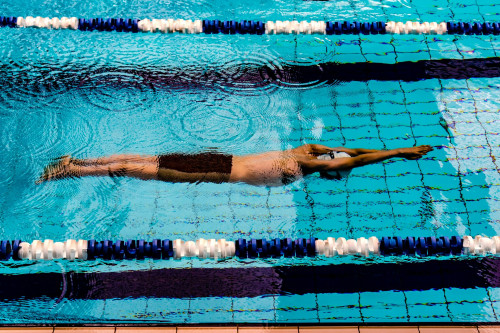
Track Your Swimming Progress – No Fancy Equipment Needed

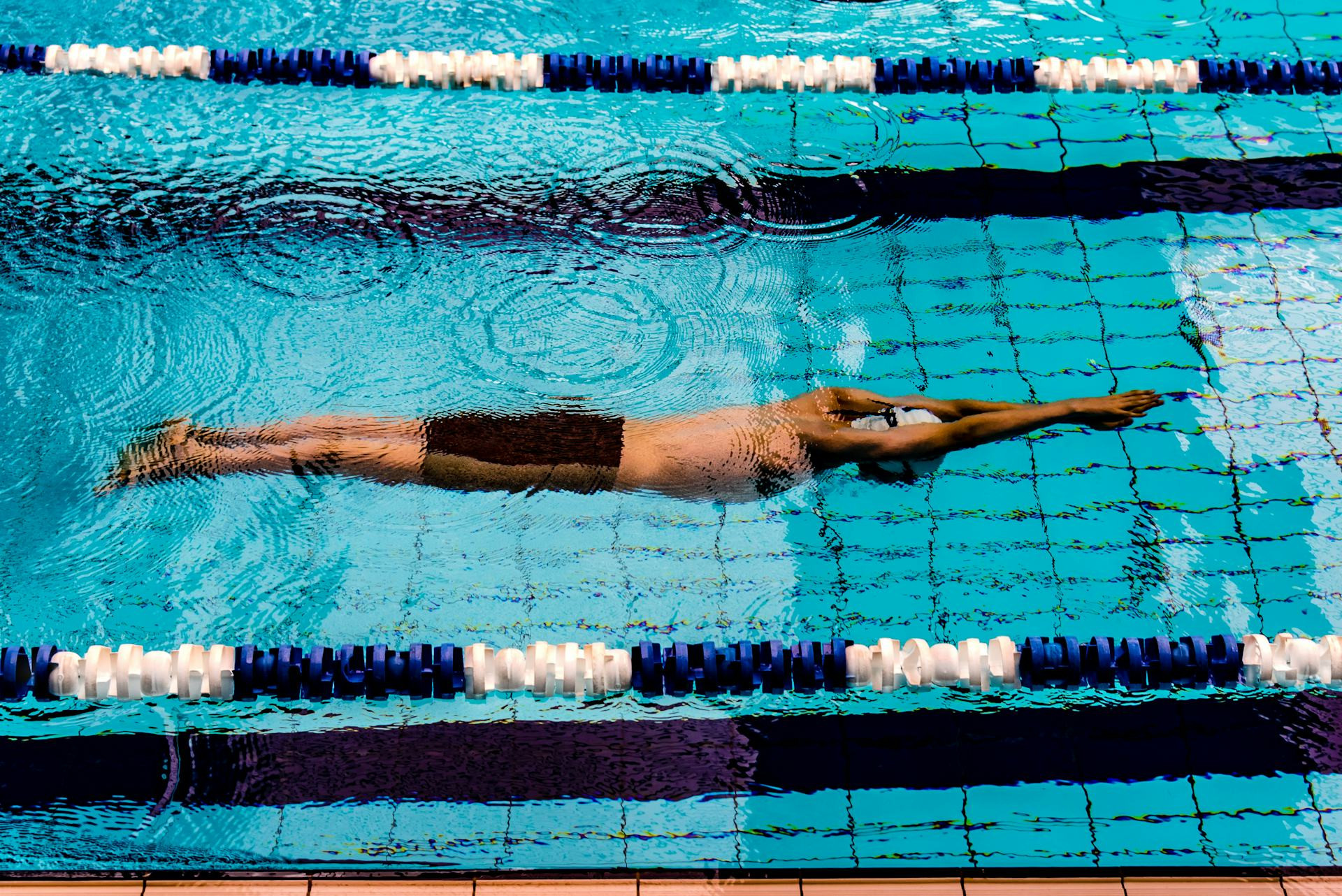
Improve your swimming skills with simple, effective tracking methods
Training
Training
3 min
You don’t need expensive gadgets to see how far you’ve come in the pool. Learn how to measure your progress, set achievable goals, and enjoy your swimming journey using only basic tools and mindful observation.
Alaina Meyer
Alaina
Meyer

Track Your Swimming Progress – No Fancy Equipment Needed

Improve your swimming skills with simple, effective tracking methods
Training
Training
3 min
You don’t need expensive gadgets to see how far you’ve come in the pool. Learn how to measure your progress, set achievable goals, and enjoy your swimming journey using only basic tools and mindful observation.
Alaina Meyer
Alaina
Meyer

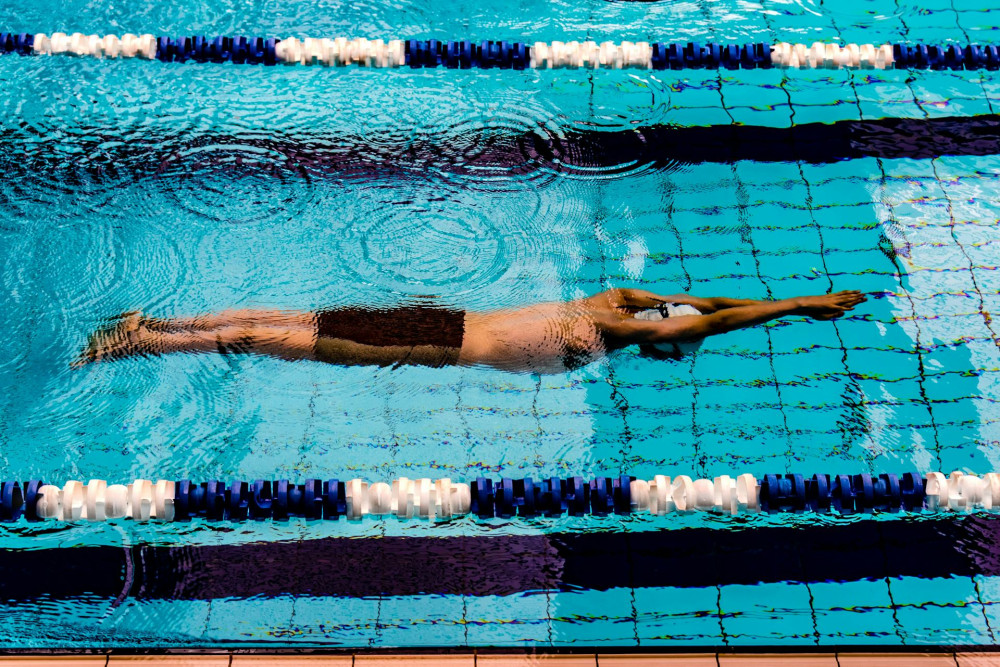
Becoming a better swimmer isn’t just about speed – it’s about understanding your own progress. Many people think they need high-tech watches, sensors, or apps to track improvement, but you can go a long way with simple methods and a bit of awareness. Here’s how you can track your swimming progress – no expensive gear required.

Start by Knowing Your Baseline

Before you can measure progress, you need to know where you’re starting from. You can do this in several easy ways:

  • Count laps and time yourself – Swim a set number of laps (say, 20) and record how long it takes. That gives you a simple benchmark for comparison.
  • Notice your breathing and heart rate – Pay attention to how winded you feel after a certain distance. Over time, you’ll find you can swim farther with less effort.
  • Focus on technique – Ask a friend, coach, or lifeguard to watch your stroke. Small adjustments in form can make a big difference.

Write down your observations in a notebook or on your phone. It doesn’t have to be fancy – just short notes about distance, time, and how you felt.

Use Your Body as a Measuring Tool

Your body gives you plenty of feedback if you listen. Instead of relying on a smartwatch to tell you how you’re doing, use your own sensations as a guide.

  • Do your strokes feel smoother? That’s a sign your technique is improving.
  • Can you maintain your pace longer? That means your endurance is building.
  • Are you less sore after swimming? That shows your body is adapting to the training.

By tuning in to these signals, you’ll learn to understand your swimming better – and that awareness will make you a more efficient swimmer.

Set Small, Realistic Goals

Having something specific to work toward keeps you motivated. Your goals don’t have to be big – in fact, small, achievable milestones are often what keep you going.

Examples of goals could be:

  • Swimming 100 yards without stopping.
  • Improving your 500-yard time by 10 seconds.
  • Learning a new stroke, like backstroke or butterfly.
  • Swimming twice a week for a month.

When you reach a goal, mark it down in your notes. Seeing your progress on paper makes it easier to appreciate how far you’ve come.

Add Variety with Simple Tools

You don’t need advanced equipment, but a few basic tools can help you mix up your workouts and feel differences in your technique.

  • Pull buoy – Helps you focus on your arm stroke and upper body.
  • Kickboard – Strengthens your legs and improves your kick technique.
  • Swim fins – Add propulsion and help you feel what proper leg movement should be like.

Most public pools or community centers have these available to borrow, so you don’t need to buy your own.

Learn from Your Environment

If you swim regularly, you’ll notice you’re not alone. Many swimmers – from beginners to experienced athletes – are happy to share tips. Ask a lifeguard, coach, or fellow swimmer for feedback on your form.

You can also record yourself (with permission from the facility) to see how your movements look in action. Watching yourself swim can be eye-opening and help you spot small adjustments that make a big difference.

Make It a Habit

The best way to track progress is to make swimming a consistent part of your routine. Consistency matters more than intensity. Three short sessions a week are better than one long one.

Find a schedule that fits your life – maybe an early morning swim before work or a relaxing weekend session. Over time, you’ll notice not only improvement but also more enjoyment in the water.

Enjoy the Process – Not Just the Results

Tracking your swimming progress isn’t only about numbers and times. It’s also about feeling your body grow stronger and more comfortable in the water. When you learn to enjoy the process, swimming becomes more than exercise – it becomes a source of calm, focus, and well-being.

So next time you dive in, leave the gadgets in your bag. Listen to your body, feel the water – and enjoy getting better, no fancy equipment needed.

Body Awareness: The Key to a Healthier and More Positive Relationship with Your Body
Discover how tuning in to your body’s signals can transform your well-being and self-image
Training
Training
Body Awareness
Mindfulness
Self-Care
Wellness
Positive Body Image
3 min
Learn how developing body awareness can help you build a healthier, more compassionate relationship with your body. By listening to what your body truly needs, you can move beyond numbers and appearance toward balance, confidence, and lasting wellness.
Logan Richards
Logan
Richards
Track Your Swimming Progress – No Fancy Equipment Needed
Improve your swimming skills with simple, effective tracking methods
Training
Training
Swimming
Fitness
Training
Progress Tracking
Health
3 min
You don’t need expensive gadgets to see how far you’ve come in the pool. Learn how to measure your progress, set achievable goals, and enjoy your swimming journey using only basic tools and mindful observation.
Alaina Meyer
Alaina
Meyer
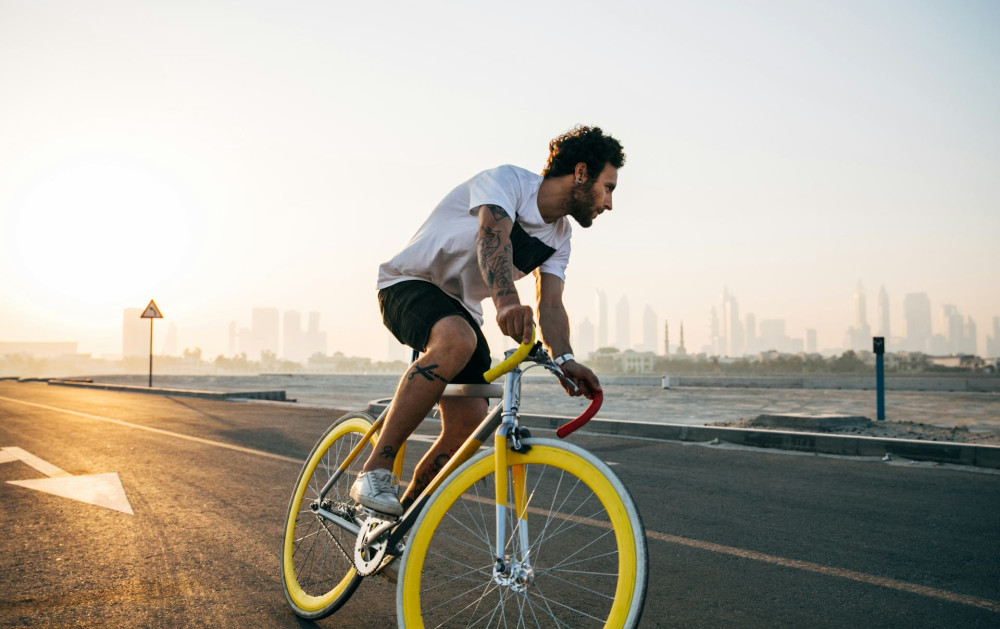
Get More Confident on Your Bike: Train Your Balance and Control
Build your cycling confidence with simple balance and control techniques
Training
Training
Cycling
Bike Training
Fitness
Safety
Outdoor Activities
4 min
Whether you’re a casual rider or a daily commuter, improving your balance and control can make every ride smoother, safer, and more enjoyable. Discover practical exercises and tips to boost your confidence and master your bike.
Delilah Vasquez
Delilah
Vasquez
Find the Group Workout That Fits You and Your Fitness Goals
Discover the perfect group workout to keep you motivated and aligned with your fitness goals
Training
Training
Fitness
Group Training
Motivation
Health
Exercise
5 min
From high-energy cycling to calming yoga, group workouts offer something for every personality and goal. Learn how to choose the class that matches your fitness ambitions, keeps you inspired, and helps you enjoy the journey toward better health.
Jackson Phillips
Jackson
Phillips
Create Rhythm in Your Workout with Guidance and Variety
Discover how structure, guidance, and variety can turn your workouts into a lasting rhythm
Training
Training
Fitness
Motivation
Exercise Routine
Health
Lifestyle
3 min
Learn how to build consistency and enjoyment in your fitness routine by combining expert guidance with a mix of exercises. Find your personal rhythm, stay motivated, and make movement a natural part of your everyday life.
Thomas González
Thomas
González
Self-Care Through the Senses: How to Use Music, Color, and Movement Mindfully
Discover how engaging your senses can transform everyday moments into mindful self-care
Everyday life
Everyday life
Self-Care
Mindfulness
Well-Being
Sensory Awareness
Mental Health
5 min
Learn how music, color, and movement can help you reconnect with yourself and restore balance in your daily life. This article explores simple, sensory-based practices that bring calm, focus, and joy through mindful awareness.
Logan Richards
Logan
Richards
Balance in Everyday Life – More Than a Buzzword
Discover how true balance goes beyond time management and becomes a mindset for a more fulfilling life
Everyday life
Everyday life
Work-Life Balance
Wellbeing
Mindfulness
Self-Care
Personal Growth
3 min
In a world that constantly demands more of our time and attention, finding balance can feel impossible. This article explores what balance really means, how to set boundaries, and why rest and connection are essential parts of a sustainable lifestyle.
Alaina Meyer
Alaina
Meyer
When Relationships Change: How to Keep Up with Life’s Rhythm
Embrace the natural flow of changing relationships and discover balance in life’s shifting connections
Everyday life
Everyday life
Relationships
Personal Growth
Emotional Wellbeing
Life Balance
Self Care
7 min
Relationships evolve just like we do. This article explores how to navigate the changes that come with friendship, family, and love—finding harmony between holding on and letting go, and learning to move with life’s rhythm instead of against it.
Delilah Vasquez
Delilah
Vasquez
From Motion to Calm: How Physical Activity Eases Stress
Discover how moving your body can quiet your mind and bring lasting calm
Everyday life
Everyday life
Stress Relief
Mental Health
Exercise
Wellbeing
Lifestyle
3 min
Stress is a part of modern life, but relief might be closer than you think. This article explores how physical activity—from a brisk walk to a yoga session—can ease tension, boost mood, and help you find balance in a busy world.
Jackson Phillips
Jackson
Phillips
Eat with the Seasons – Vegetables That Bring Flavor and Healthy Variety
Discover how seasonal vegetables can transform your meals with freshness, flavor, and balance
Everyday life
Everyday life
Seasonal Eating
Vegetables
Healthy Living
Sustainable Food
Nutrition
2 min
Eating with the seasons brings more than just variety to your plate – it connects you to nature’s rhythm, enhances taste, and supports a sustainable lifestyle. Learn which vegetables shine in each season and how to make the most of their natural goodness all year round.
Thomas González
Thomas
González
Career and Family Life: How to Support Each Other as a Couple
Build a strong partnership by balancing ambition, love, and everyday life
Family
Family
Relationships
Work-Life Balance
Family
Communication
Personal Growth
2 min
Discover how couples can support each other in pursuing career goals while maintaining a fulfilling family life. Learn practical ways to communicate, share responsibilities, and grow together—both personally and professionally.
Logan Richards
Logan
Richards
Family Values as a Compass in Everyday Life
Rediscover what truly matters by letting shared values guide your family’s daily choices
Family
Family
Family
Values
Parenting
Relationships
Personal Growth
7 min
In a world filled with constant activity and distractions, family values can serve as a steady compass. Learn how to identify, nurture, and live by the principles that strengthen your family bonds and bring meaning to everyday life.
Alaina Meyer
Alaina
Meyer