Get More Confident on Your Bike: Train Your Balance and Control


Get More Confident on Your Bike: Train Your Balance and Control
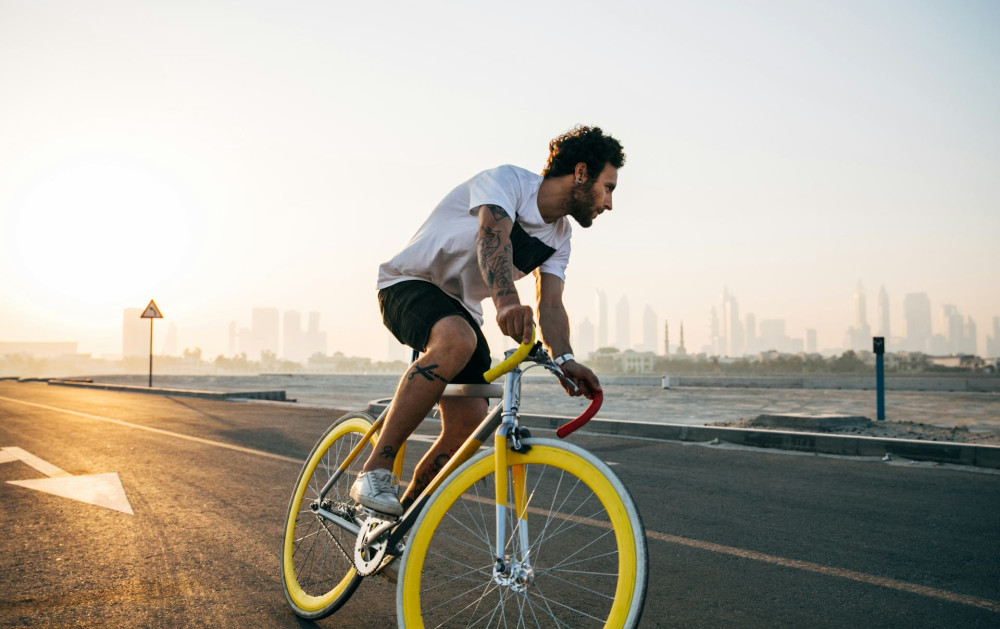
For many Americans, biking is more than just a way to get around — it’s a fun, healthy, and eco-friendly way to explore your neighborhood, commute to work, or enjoy the outdoors. But even experienced riders can benefit from improving their balance and control. Doing so not only makes your rides smoother and more enjoyable but also helps you stay safer on the road. Here’s how you can strengthen your cycling skills and feel more confident every time you hop on your bike.
Why Balance and Control Matter
Good balance allows you to react quickly when something unexpected happens — like a car stopping suddenly, a pothole appearing in your path, or a pedestrian stepping off the curb. Better control means you can steer, brake, and shift your weight more precisely, reducing the risk of falls or collisions.
Balance and control aren’t just about technique; they’re about body awareness. When you learn how your body and bike move together, you’ll ride more smoothly, stay relaxed, and handle challenges with ease.
Start with the Basics
Before you start training, make sure your bike fits you properly. A well-adjusted bike makes it easier to maintain balance and steer confidently.
- Check your saddle height: When sitting on the saddle, you should be able to touch the ground with your toes, and your leg should be almost straight when the pedal is at its lowest point.
- Adjust your handlebars: They should be at a height that allows you to sit comfortably without straining your shoulders or wrists.
- Inspect your tires and brakes: Proper tire pressure and responsive brakes make your bike more predictable and easier to control.
Once your bike feels like a natural extension of your body, you’re ready to start practicing.
Exercises to Improve Balance
You don’t need a gym or fancy equipment to work on your balance. A quiet parking lot, an empty bike path, or a calm residential street will do just fine.
- Ride slowly: Try pedaling as slowly as possible without putting your foot down. This helps you stay balanced at low speeds — useful at stoplights or in crowded areas.
- Ride one-handed: Take one hand off the handlebars while keeping your line steady. Switch hands and practice signaling turns, just as you would in traffic.
- Stand on the pedals: Ride a short distance while standing up. This strengthens your legs and core and helps you handle bumps or uneven surfaces.
- Look ahead, not down: Focus your eyes on where you’re going instead of your front wheel. This improves stability and helps you anticipate obstacles.
Repeat these exercises a few times a week, and you’ll soon notice a big difference in your control and confidence.
Strengthen Your Core Stability
A strong body supports better balance. Your core — including your abs, back, and hips — plays a key role in keeping your bike steady.
Try simple exercises like:
- Planks – strengthen your core and back.
- Leg lifts – build hip and leg strength.
- Single-leg balance – challenge your stability and coordination.
You can do these at home without any equipment, and just 10 minutes a day can make a noticeable improvement in your riding.
Læs også:

Stay Calm and in Control on the Road
Even with great technique, surprises can happen. The key is to stay calm and trust your balance. Practice braking smoothly, even on wet or uneven surfaces, and learn how to shift your weight to keep your tires gripping the road.
A useful drill is to practice looking over your shoulder while keeping your bike straight. This skill is essential for checking traffic before changing lanes or turning — and it’s a great way to combine balance, awareness, and control.
Make Training Fun
Balance and control practice doesn’t have to feel like work. Turn it into a game or a social activity:
- Set up cones or water bottles and weave between them.
- Try riding on different surfaces — gravel, grass, or packed dirt.
- Join a local cycling club or skills clinic to learn from others and stay motivated.
When you make practice enjoyable, you’ll stick with it — and your confidence will grow naturally.
An Investment in Safety and Freedom
Training your balance and control isn’t just about avoiding accidents. It’s about feeling free and secure every time you ride — whether you’re commuting to work, exploring a trail, or cruising around your neighborhood.
With a little patience and consistent practice, you’ll notice real progress. The more you ride, the more natural it will feel to move on two wheels — steady, confident, and in control.
Læs også: