Pregnancy and Skincare: How to Maintain Your Skin’s Moisture and Elasticity

Pregnancy and Skincare: How to Maintain Your Skin’s Moisture and Elasticity
Pregnancy is a time of incredible change—physically, emotionally, and hormonally. As your body works to nurture new life, your skin often reflects those changes. Many expectant mothers notice that their skin becomes drier, more sensitive, or less elastic. These shifts are completely normal, but with the right care, you can help your skin stay hydrated, supple, and comfortable throughout your pregnancy.
Here’s a guide to keeping your skin healthy and resilient while your body transforms.
How Hormones Affect Your Skin
During pregnancy, levels of hormones like estrogen and progesterone rise significantly. These changes can influence oil production, circulation, and your skin’s moisture balance. Some women experience the famous “pregnancy glow,” while others may deal with dryness, breakouts, or sensitivity.
The key is to pay attention to your skin’s needs and adjust your routine as your pregnancy progresses. What works in the first trimester might not be ideal later on.
Hydration: Your Skin’s Best Friend
As your belly grows and your skin stretches, it needs extra moisture to maintain elasticity. A nourishing moisturizer or body oil can make a big difference.
- Apply a gentle, fragrance-free lotion or oil daily—ideally right after showering, when your skin is still slightly damp.
- Focus on areas that stretch the most, such as your belly, breasts, hips, and thighs.
- Look for ingredients like shea butter, almond oil, and hyaluronic acid, which help lock in moisture and strengthen the skin’s barrier.
While no product can guarantee the prevention of stretch marks, well-hydrated skin is more resilient and better able to adapt to changes.
Læs også:



Gentle Cleansing and Skincare
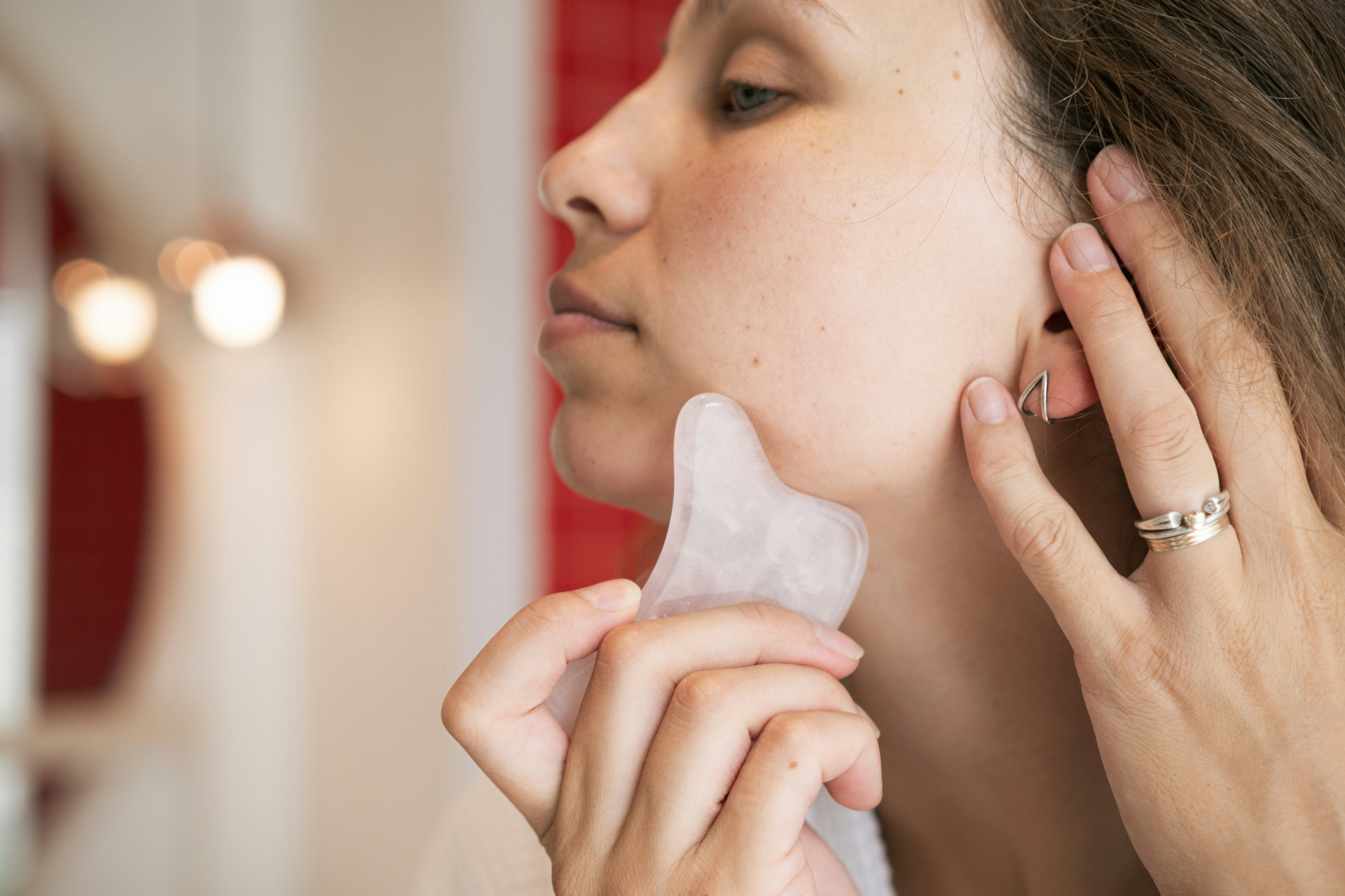
Pregnancy can make your skin more sensitive, so it’s best to choose mild, non-irritating products. Avoid harsh ingredients like alcohol, strong fragrances, and retinoids (vitamin A derivatives), which are not recommended during pregnancy.
- Cleanse gently with a mild, hydrating cleanser that won’t strip your skin.
- Exfoliate lightly once a week to remove dead skin cells and promote a healthy glow.
- Use sunscreen daily—hormonal changes can make your skin more prone to pigmentation (melasma). Choose a broad-spectrum SPF 30 or higher, ideally with mineral filters like zinc oxide or titanium dioxide.
Supporting Skin Elasticity from Within
Healthy skin starts from the inside. During pregnancy, your body needs extra nutrients, and your skin is no exception.
- Stay well-hydrated by drinking plenty of water throughout the day.
- Eat a balanced diet rich in healthy fats from sources like salmon, walnuts, and avocado to support skin flexibility.
- Include vitamin C and zinc, which are essential for collagen production—the protein that keeps skin firm and elastic.
If you have dietary restrictions or questions about supplements, consult your healthcare provider before making changes.
When Your Skin Feels Tight or Itchy
It’s common for the skin on your belly to feel tight or itchy as it stretches. Try to resist scratching, as it can irritate the skin further. Instead, you can:
- Apply a cooling aloe vera gel or a rich, fragrance-free cream.
- Take short, lukewarm showers instead of hot ones, which can dry out your skin.
- Wear loose, breathable cotton clothing to reduce irritation.
If itching becomes severe or is accompanied by a rash, contact your healthcare provider—it could be a sign of a pregnancy-related skin condition that needs attention.
Skincare as Self-Care
Skincare during pregnancy isn’t just about appearance—it’s also a way to care for yourself. Taking a few minutes each day to massage your belly with lotion or apply a soothing face mask can become a calming ritual amid all the changes.
These small moments of self-care can help you connect with your body and appreciate the incredible work it’s doing.
After Birth: Continue the Care
After delivery, your skin may still need extra moisture and nourishment, especially if you’re breastfeeding. Hormone levels shift again, and it can take time for your skin to return to its pre-pregnancy state.
Keep using gentle, hydrating products, and be patient with your body. Stretch marks often fade over time, and with consistent care, your skin can regain much of its strength and natural glow.
Læs også: