From Craftsmanship to High Tech: The Evolution of Skilled Trades Over Time

From Craftsmanship to High Tech: The Evolution of Skilled Trades Over Time
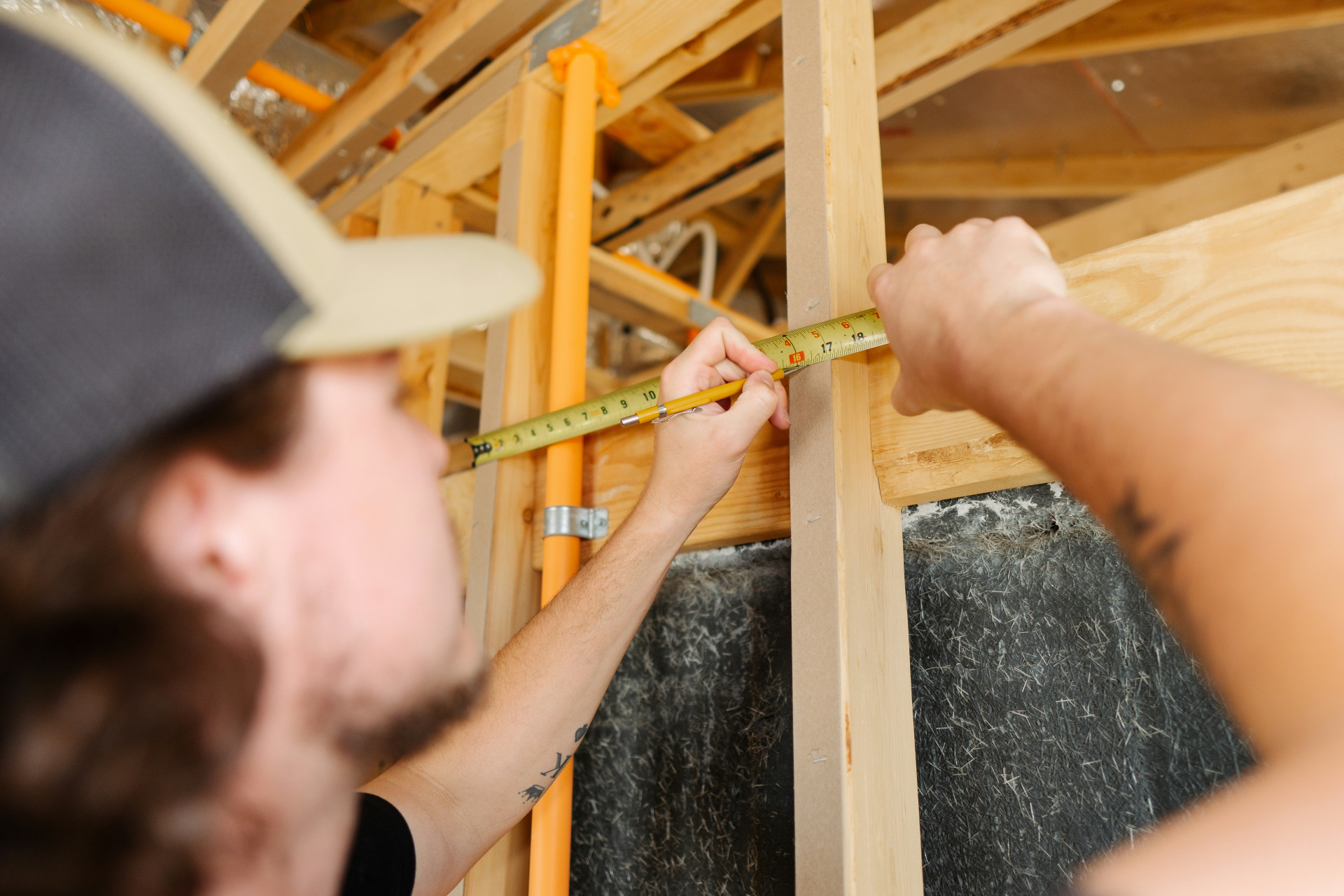
From the blacksmiths and carpenters of early America to today’s robotics technicians and renewable energy specialists, the skilled trades have undergone a remarkable transformation. What was once defined by manual labor, experience, and simple tools is now shaped by digital technology, precision, and innovation. Yet, the essence of craftsmanship remains unchanged: pride in one’s work, quality, and the ability to create something tangible.
From Apprenticeships to Modern Training
For centuries, trades were passed down through apprenticeships. A young apprentice would learn by observing and assisting a master, gradually developing the skills needed to work independently. This system built strong professional communities and ensured that knowledge and techniques were preserved across generations.
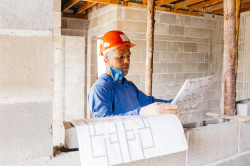
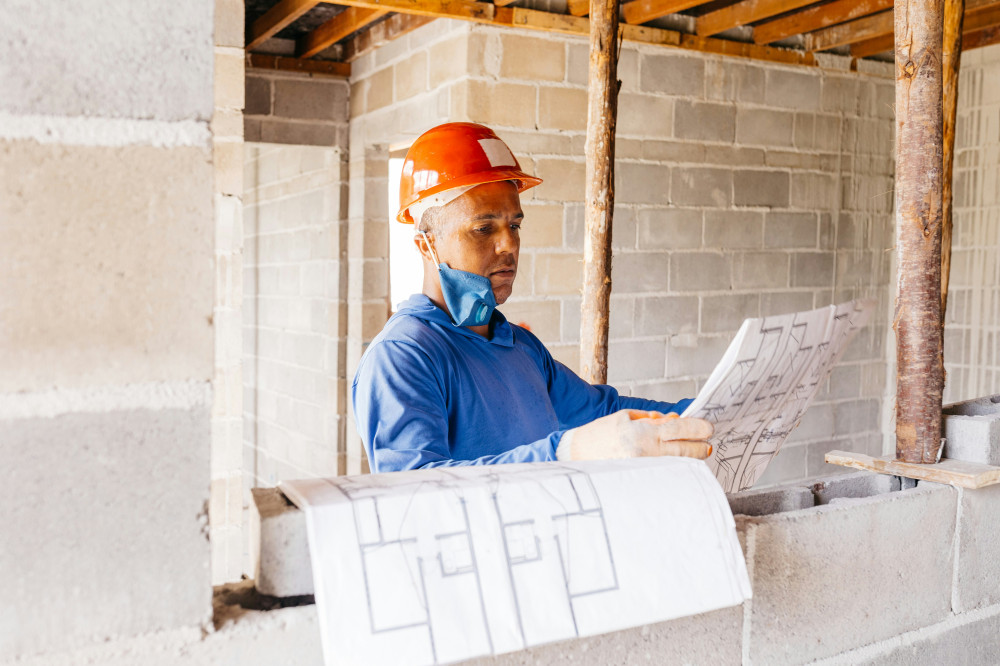
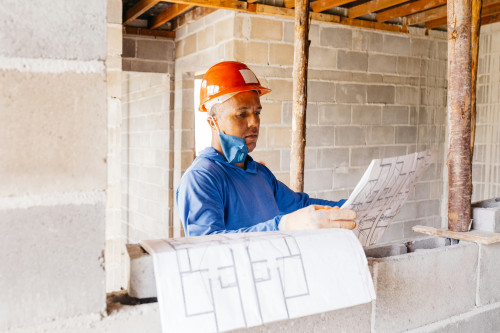
Today, training in the skilled trades is more structured and diverse. Technical schools, community colleges, and union programs combine classroom instruction with hands-on experience. Students learn both traditional methods and cutting-edge technologies—from reading blueprints and operating CNC machines to understanding energy efficiency and smart systems. Modern tradespeople must be as comfortable with digital tools as they are with physical ones.
The Industrial Revolution and the Rise of New Trades
The Industrial Revolution of the 19th century dramatically changed the nature of skilled work in the United States. Factories and mechanized production replaced many small workshops, and machines took over repetitive or heavy tasks. Craftsmen who once worked independently became part of larger production systems.
But this shift also created new opportunities. Machinists, electricians, and mechanics emerged as essential professions to build, operate, and maintain the new technologies. The trades adapted, evolving alongside industry rather than disappearing. This adaptability has been a defining strength of the American workforce ever since.
Læs også:

The Digital Age and Smart Tools
Today, the skilled trades are experiencing another revolution—this time driven by digitalization. Tools like 3D scanners, Building Information Modeling (BIM), and automated machinery have transformed how projects are designed and executed. A construction worker can use laser-guided equipment for millimeter accuracy, while an HVAC technician can program smart climate systems that optimize energy use.
Sustainability has also become a central focus. Green building materials, renewable energy systems, and circular design principles require tradespeople to stay informed and flexible. It’s no longer just about building or repairing—it’s about doing so responsibly, with an eye toward environmental impact and long-term efficiency.
Balancing Tradition and Technology
Even as technology advances, the human touch remains irreplaceable. A robot can cut with precision, but it cannot sense the grain of wood, feel the resistance of metal, or improvise creative solutions on the job site. Skilled tradespeople combine experience, intuition, and technical knowledge—a blend that no machine can fully replicate.
The future of the trades lies in this balance. Tomorrow’s electricians, welders, and carpenters will be both hands-on practitioners and tech-savvy problem solvers. They’ll use data and digital tools while maintaining the craftsmanship and attention to detail that define their professions.
A Renewed Appreciation for Craftsmanship
As society becomes more digital and automated, many Americans are rediscovering the value of tangible work. There’s a growing appreciation for handmade goods, historic restoration, and the artistry of skilled labor. Programs encouraging young people to enter the trades are gaining momentum, recognizing that these careers offer stability, creativity, and purpose.
Craftsmanship is not a relic of the past—it’s a vital part of the future. It bridges human creativity with technological progress and reminds us that, even in a high-tech world, we still need those who can shape, build, and repair the world with their hands.
Læs også: