Architecture and Interior Design in Harmony – How to Create a Cohesive Home

Architecture and Interior Design in Harmony – How to Create a Cohesive Home
A home feels complete when architecture and interior design work together rather than compete. It’s not just about aesthetics—it’s about creating spaces that function well and feel balanced. Whether you live in a newly built house, a mid-century ranch, or a historic brownstone, thoughtful choices can help your home’s structure and interior style complement each other. Here’s how to create a cohesive home that feels both intentional and inviting.
Understand Your Home’s Architecture
Before you start decorating, take time to understand your home’s architectural character. Is it a Craftsman bungalow with detailed woodwork, a modern farmhouse with open spaces, or a minimalist condo with clean lines and large windows?
Let the architecture guide your design decisions. Every building tells a story, and your interior choices can either support or fight against it. A contemporary home often calls for simplicity and restraint, while a Victorian or Colonial home can handle more texture, pattern, and warmth. When you respect the home’s original design, you create a natural connection between form and function.
Create Continuity Through Materials and Colors
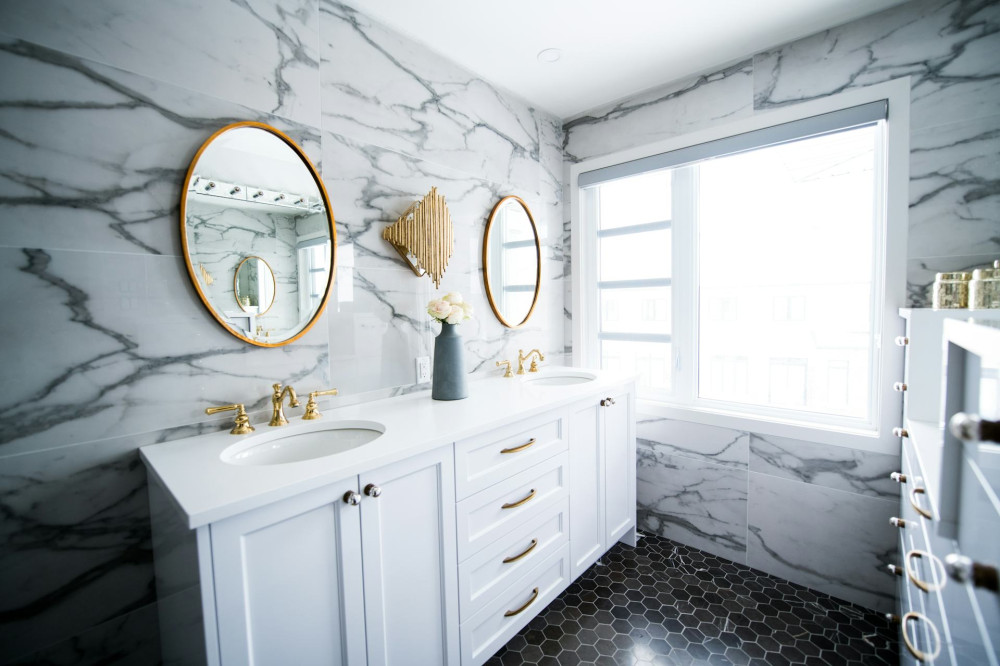
Materials and colors are your strongest tools for achieving harmony. Repeating materials across rooms—such as using the same type of wood for flooring and furniture, or matching metal finishes in hardware and lighting—creates a visual rhythm that feels calm and unified.
Color works the same way. Choose a base palette that suits your home’s light and atmosphere, and build variation through tone and texture rather than stark contrast. In bright, sunlit spaces, cooler hues can feel fresh and airy, while darker rooms often benefit from warm, rich colors that add depth and comfort.
Design in Tune with Architectural Rhythm
Architecture is about proportion, line, and rhythm—and your interior design can echo that. Observe how windows, doors, and ceiling heights are arranged, and place furniture, lighting, and artwork in ways that reinforce the room’s structure.
A long, narrow space can be divided into zones with rugs and lighting, while a room with high ceilings can handle larger furniture or statement fixtures. When your interior layout follows the architecture’s rhythm, you highlight the home’s strengths instead of working against them.
Light as the Connecting Element
Light is one of the most powerful yet overlooked elements in uniting architecture and interior design. Architectural light—windows, skylights, and the home’s orientation—sets the foundation, while interior lighting adds mood and function.
Make the most of natural light by arranging furniture to capture daylight throughout the day. Layer artificial lighting with ambient, task, and accent sources to create flexibility and depth. When you treat light as part of the overall design, your spaces feel more dynamic and alive.
Flow and Transitions Between Spaces
Cohesion isn’t just about individual rooms—it’s about how they connect. Transitions, both physical and visual, create a sense of flow. Repeat elements like flooring, wall colors, or trim details to tie spaces together, and use contrast intentionally to signal a change in function.
For example, an open kitchen and living area can be subtly separated by a change in ceiling height, a partial wall, or a shift in flooring material. This approach maintains unity while giving each zone its own identity.
Personality Within the Whole
While harmony is key, your home should still reflect who you are. Personal items, heirlooms, and art bring warmth and individuality. The trick is to integrate them thoughtfully so they enhance rather than disrupt the overall design.
Choose a few meaningful pieces that stand out—a painting, a vintage chair, or a sculptural light fixture—that align with your home’s style and tell your story. When placed with intention, these elements add soul without breaking the visual flow.
Læs også:



Harmony Brings Calm
When architecture and interior design work in concert, a sense of calm naturally follows. Spaces feel intuitive, balanced, and comfortable. Cohesion isn’t about following a strict style—it’s about finding balance between what your home is and what you want it to be.
A cohesive home doesn’t have to be perfect, but it should feel right. And that feeling of rightness—the quiet harmony between structure and style—is what truly makes a house a home.
Læs også: