Flexible Spaces: How to Combine Function and Aesthetics in Your Home

Flexible Spaces: How to Combine Function and Aesthetics in Your Home
Modern homes are expected to do it all — serve as offices, gyms, classrooms, and sanctuaries for relaxation. That’s why flexible spaces have become a cornerstone of contemporary interior design. It’s not just about making the most of your square footage, but about creating a home that feels cohesive, comfortable, and beautiful no matter how it’s used. Here’s how you can blend function and aesthetics to design a home that adapts to your lifestyle.
Think in Zones, Not Rooms
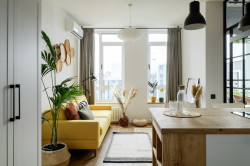
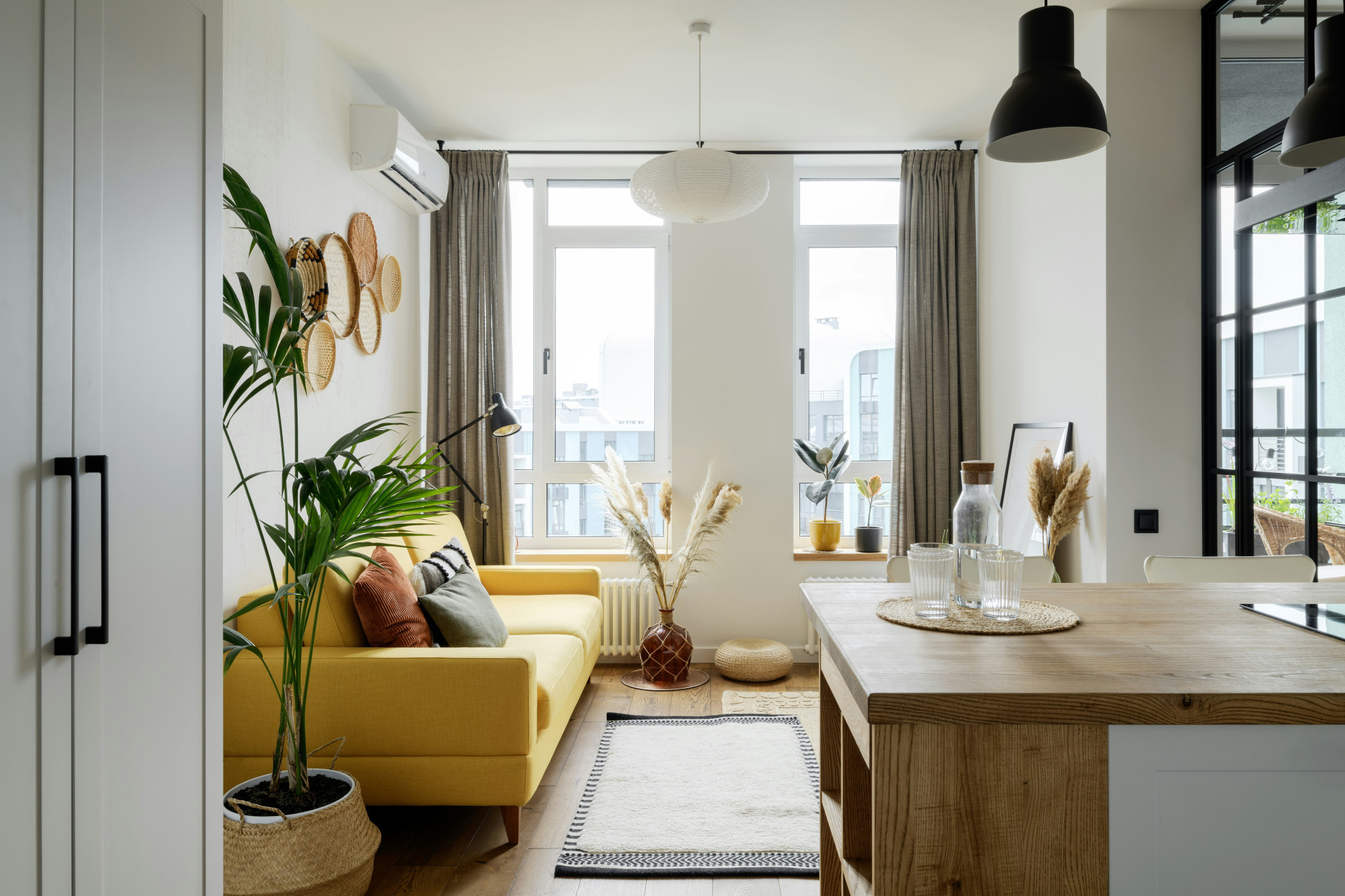
Instead of letting walls dictate how each area is used, consider dividing your home into zones. A zone can be defined by lighting, rugs, or furniture placement — and can easily shift as your needs change.
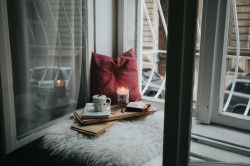
For example, a corner of your living room might double as a home office during the week and a reading nook on weekends. A dining table can transform into a homework station or craft area. By thinking in zones, you create a home that evolves with you, rather than one that locks you into fixed uses.
Læs også:

Multifunctional Furniture Makes the Difference
Furniture that serves more than one purpose is the backbone of a flexible home. A sleeper sofa, an extendable dining table, or a storage ottoman can transform a space in seconds. The key is to choose pieces that are both practical and visually appealing.
- Modular or foldable furniture allows you to reconfigure your layout quickly.
- Hidden storage keeps clutter out of sight and maintains a calm, organized look.
- Lightweight, movable pieces like rolling carts or small side tables make it easy to adapt a room for different activities.
When function and aesthetics work together, your home becomes both more efficient and more inviting.
Lighting and Color as Flexible Tools
Lighting and color have a powerful impact on how a space feels. With the right combination, you can shift the mood and function of a room without changing the furniture.
Use dimmable lights or multiple light sources to move from bright task lighting to a softer, more relaxing glow. Color can also define zones and influence atmosphere: light tones make a space feel open and airy, while deeper hues add warmth and intimacy. Painting one accent wall or using removable wallpaper can help visually separate areas without permanent changes.
Create Cohesion Through Materials and Details
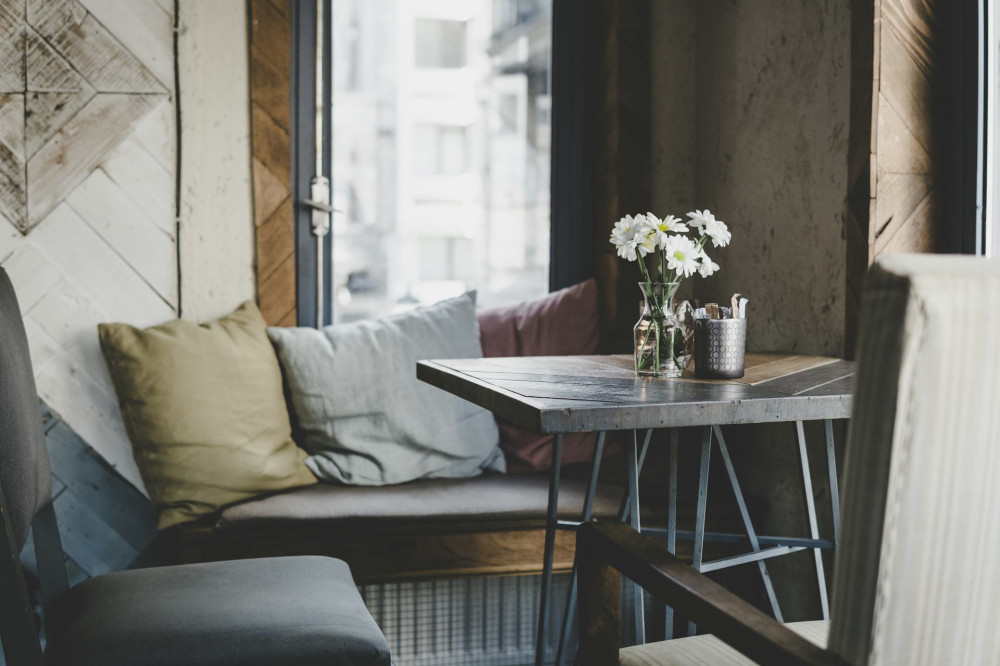
When a space serves multiple purposes, visual harmony becomes essential. Repeating materials like wood, metal, or natural fabrics across zones helps tie everything together. The same goes for color palettes and shapes — subtle repetition creates a sense of balance even when the functions vary.
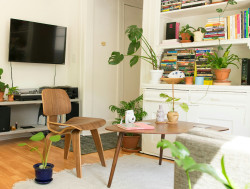
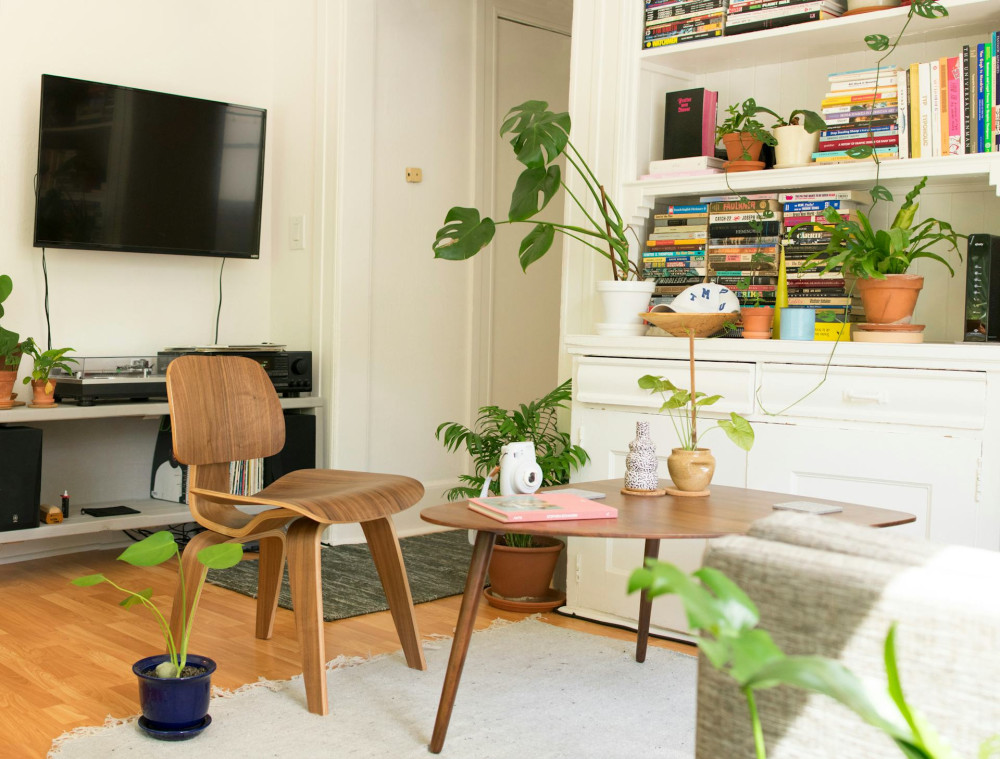
Small details can also refresh a space instantly. Swapping out throw pillows, adding plants, or rearranging artwork can shift the mood without major effort or expense. These touches keep your home dynamic and personal.
Flexibility Is a Lifestyle
A flexible home isn’t just about furniture or layout — it’s about how you live. Maybe you need a quiet spot for remote work that can also host guests, or a living area that transitions from family movie nights to yoga sessions. By being mindful of your routines and priorities, you can design a home that supports your lifestyle and adapts as it changes.
A Home That Moves With You
Flexible spaces aren’t just a design trend — they’re a mindset. They allow you to live more freely, without being confined by rigid layouts or single-purpose rooms. When function and aesthetics come together, your home becomes a place that not only works beautifully but also feels right, no matter what the day brings.
Læs også: