Designing with Balance: How Furniture Placement Shapes a Room’s Atmosphere

Designing with Balance: How Furniture Placement Shapes a Room’s Atmosphere
When you walk into a room, you can instantly sense whether it feels calm, lively, or unsettled. Often, that feeling doesn’t come from the color of the walls or the amount of sunlight streaming in—it comes from how the furniture is arranged. Interior design is as much about balance as it is about beauty. The way you position your furniture influences not only how a room functions but also how it feels to live in.
The Rhythm and Flow of a Room
A well-designed room has a natural rhythm. Your eyes and body should move through the space with ease. When furniture is crowded together or creates too many visual barriers, the room can feel heavy and confined. On the other hand, too much empty space can make it feel cold and impersonal.
Start by thinking about movement: How do people walk through the room? Where do they sit, gather, or pause? Make sure there are clear pathways and that furniture doesn’t block natural routes. A helpful trick is to stand in the doorway and notice where your eyes naturally go—that’s often the spot where balance between function and aesthetics should begin.
Weight and Lightness in Harmony
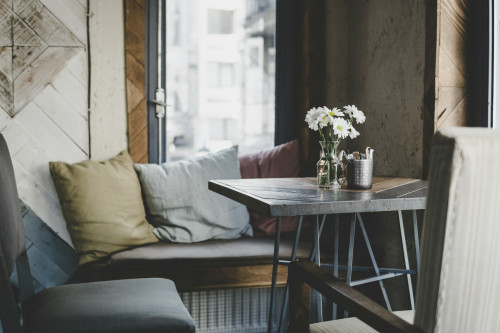
A harmonious room balances heavy and light elements. A large sectional or solid dining table adds visual weight, but without lighter pieces to offset it, the space can feel unbalanced. You can create contrast with airy chairs, a glass coffee table, or pendant lighting that floats above the room.
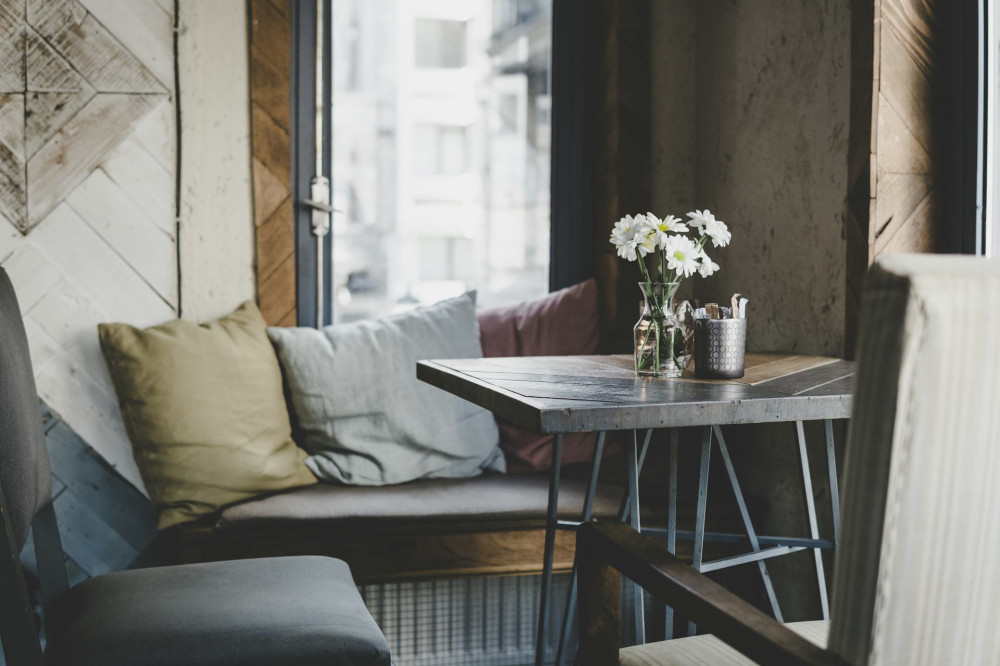
Think about materials, too: wood, stone, and metal each carry their own visual weight and texture. Pairing them with textiles, plants, or glass can soften the look and create a more cohesive whole. Balance isn’t about perfect symmetry—it’s about giving the eye both a place to rest and something to explore.
Læs også:

Creating Calm Through Zones
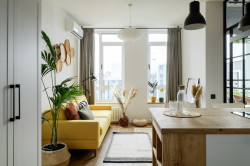
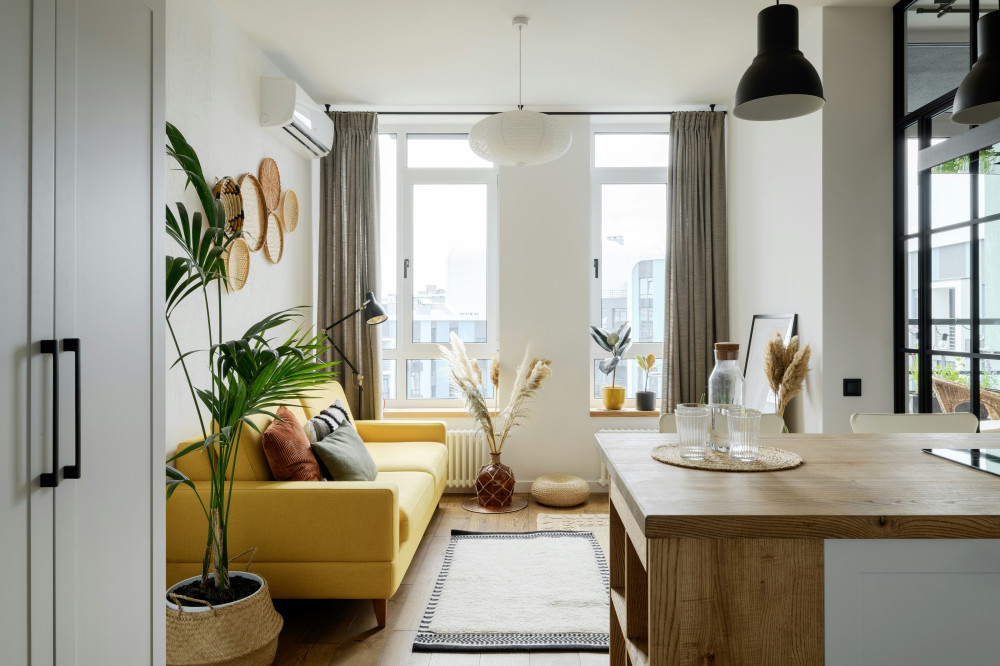
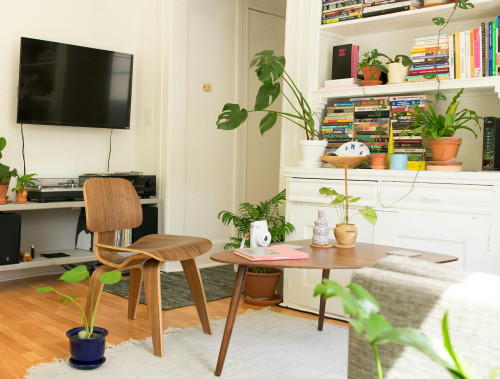
In many American homes, one room often serves multiple purposes—living, dining, and sometimes working. Defining zones can bring order and calm. Use rugs, lighting, or furniture placement to signal where different activities happen.
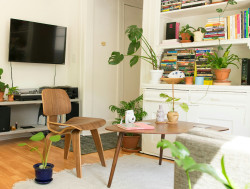
A rug under the sofa anchors the seating area, while a pendant light above the dining table creates focus. These subtle divisions help each zone feel intentional while maintaining a sense of unity throughout the space.
Light and Air as Invisible Furniture
Light and air are as essential to balance as any piece of furniture. A room that feels balanced has space to breathe. Avoid pushing furniture directly against the walls—it can actually make the room feel smaller. Pulling pieces slightly forward adds depth and a sense of openness.
Take advantage of natural light, but also consider how artificial lighting shapes the mood. Soft, warm light creates comfort, while cooler, brighter light energizes. A mix of both allows flexibility and balance throughout the day.
Personality Without Clutter
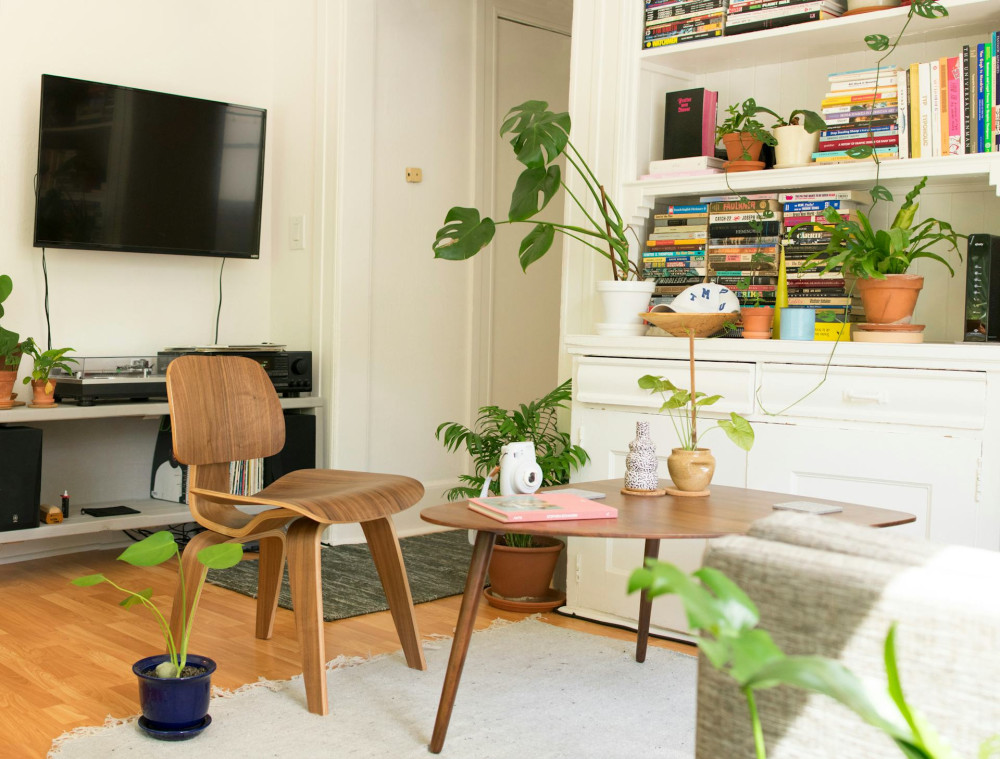
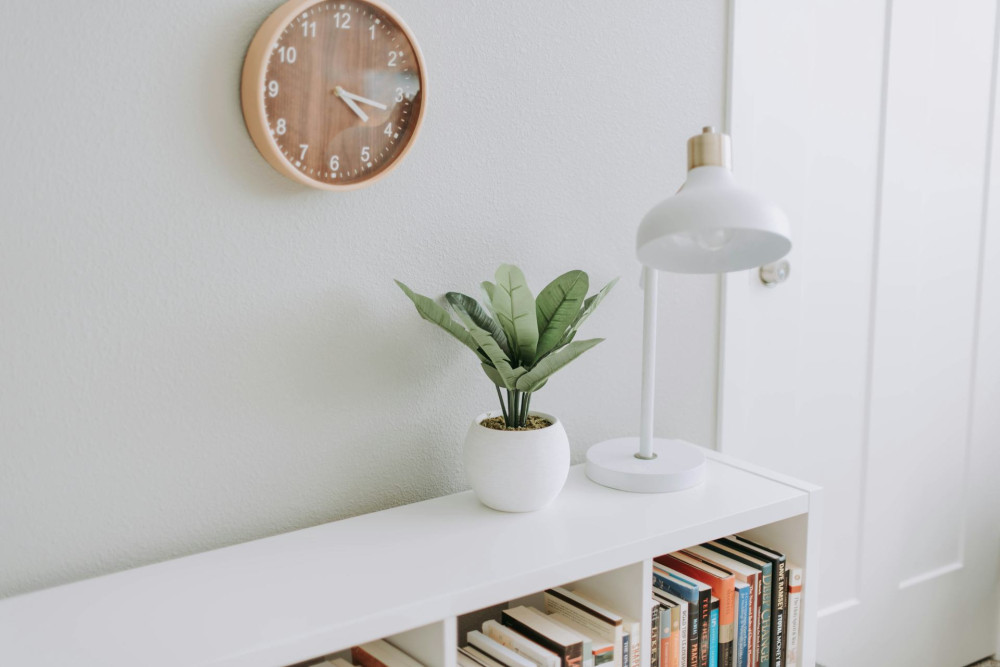
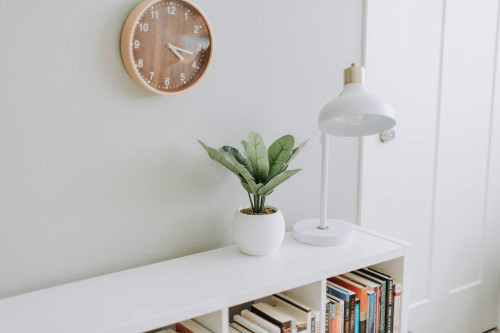
A balanced room doesn’t have to be minimalist. It’s about thoughtful choices. Too many small objects can create visual noise, but too few can make a space feel sterile. Choose items that mean something to you—a vase, a framed photo, a stack of books—and give them room to breathe.
Think in terms of rhythm: large surfaces, small details, and pauses in between. Just like in music, the pauses create harmony. When you leave space between objects, each one stands out more clearly.
When Balance Feels Right
You know a room is balanced when you stop noticing the furniture and simply feel at ease. It’s that quiet harmony where function, beauty, and atmosphere come together. Achieving it doesn’t require expensive pieces or professional help—just awareness of how you move, see, and feel in your own home.
Designing with balance is ultimately about creating a space that supports your everyday life—a place where you can breathe, think clearly, and truly feel at home.
Læs også: