New Paths to Well-Being: When Familiar Routines No Longer Bring Balance


New Paths to Well-Being: When Familiar Routines No Longer Bring Balance
Human beings are creatures of habit. We find comfort in the familiar—routines that bring structure and predictability to our days. But sometimes, the very routines that once grounded us begin to drain our energy. Maybe your morning workout feels more like an obligation than a joy, or your job, which once felt meaningful, now feels repetitive. When balance fades, it may be a sign that it’s time to explore new paths to well-being.
When the Familiar Stops Working
It’s natural for our needs to change over time. A routine that once fit perfectly into your life can eventually become too rigid or no longer meet your emotional or physical needs. Maybe your responsibilities have shifted, your lifestyle has changed, or you’ve simply grown as a person. The body and mind have a way of signaling when something no longer aligns with what we truly need.
A common sign is fatigue, even when you’re “doing everything right.” You eat well, exercise, get decent sleep—yet the spark is missing. That’s when it helps to pause and ask yourself: What do I really need right now?
Small Adjustments, Big Shifts
Finding new paths to well-being rarely means tearing everything down and starting over. Often, it’s the small, intentional changes that make the biggest difference. Maybe it’s swapping your high-intensity workout for a walk in the park, trading the gym for a dance class, or setting aside quiet mornings without screens.
- Shift your focus: Instead of measuring success by productivity, ask what truly energizes you.
- Listen to your body: It often sends signals long before your mind catches up.
- Make space for rest: Well-being isn’t just about doing—it’s also about allowing yourself to pause.
- Stay curious: Try something new—perhaps meditation, cold plunges, or creative hobbies.
When you allow yourself to experiment, you often discover that well-being isn’t a fixed destination but a living process that evolves with you.
The Mental Side – Letting Go of Control
Many of us equate well-being with having everything under control. Yet the desire for control can sometimes become a barrier to balance. When we try to plan our way to peace, we often lose touch with how we actually feel.
Letting go doesn’t mean giving up—it means accepting that life can’t always be neatly scheduled. It might mean saying no to an overbooked calendar, allowing yourself a day of rest without guilt, or accepting that you don’t always have to be “on.”
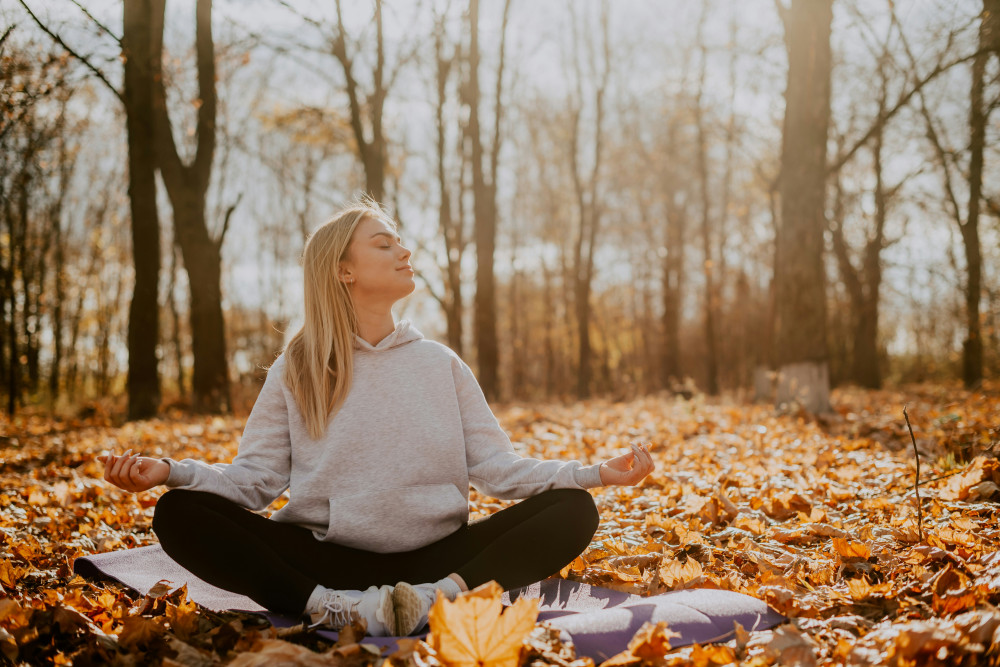
Mindfulness, time in nature, and breathing exercises are all ways to quiet the mind and reconnect with the body. The goal isn’t to perform but to be present.
When Change Feels Uncomfortable
Even positive change can feel unsettling. It takes courage to step away from what’s familiar, especially when routines have provided a sense of identity or control. You might fear losing something—but often, it’s through change that we rediscover strength and vitality.
Start small. You don’t have to overhaul your life overnight. Maybe it’s as simple as taking a different route home, trying a new hobby, or rearranging your morning routine. Small steps can open the door to big insights.
Læs også:



Well-Being as a Lifelong Process
Well-being isn’t a state you achieve once and for all—it’s an ongoing process that requires awareness and adjustment. Life changes, and so do we.
When your old routines no longer bring balance, it’s not a sign of failure. It’s a sign of growth. It means you’re paying attention, willing to listen, and ready to evolve.
In the end, finding new paths to well-being is about staying true to yourself—and having the courage to let go of what no longer serves you.
Læs også: