Colors, Shapes, and Techniques – How to Find Your Own Painting and Drawing Style

Colors, Shapes, and Techniques – How to Find Your Own Painting and Drawing Style
Painting and drawing are not just about mastering technique – they’re about expressing who you are. Whether you’re a beginner with a sketchbook or an experienced artist with a studio full of canvases, finding your own style can feel like a challenge. The good news is that your style isn’t something you have to invent from scratch – it grows naturally as you experiment, practice, and get to know yourself as an artist. Here’s how you can explore and develop your unique artistic voice.
Start with Curiosity – Not Perfection
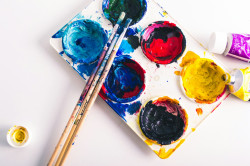
Many people get stuck because they want everything to look “right” from the start. But the most important thing early on is curiosity. Try different materials, techniques, and subjects without worrying too much about the outcome. Sketch with pencil, charcoal, ink, or pastel. Paint with acrylics, watercolor, or oils. Each medium has its own mood and texture – and you’ll only discover what fits you by trying them out.
Set aside time to play. Make quick sketches, paint without a plan, and see what happens. Often, the most interesting ideas appear when you let go of control and simply follow your instincts.
Find Inspiration – But Don’t Copy
It’s completely natural to be inspired by other artists. Study works you admire and ask yourself what draws you in: the colors, the atmosphere, the brushwork, or the composition? Use that as a starting point for your own experiments.
Just be careful not to copy too closely. If you only imitate others, you risk losing your own voice. Instead, borrow elements from different sources – maybe the color palette from one artist, the line work from another, and the subject matter from a third – and blend them into something that feels authentically yours.
Learn the Rules – So You Can Break Them
While art is about freedom, it helps to understand the basics. Learning about proportion, perspective, color theory, and light and shadow gives you a strong foundation to build on. Once you know the rules, you can break them intentionally – and that’s where creativity really starts to shine.
You can learn a lot by taking a class, watching online tutorials, or joining a local art group. These experiences not only teach you technique but also give you valuable feedback. Just remember: technique is a tool, not a goal. It should support your expression, not limit it.
Experiment with Colors and Shapes
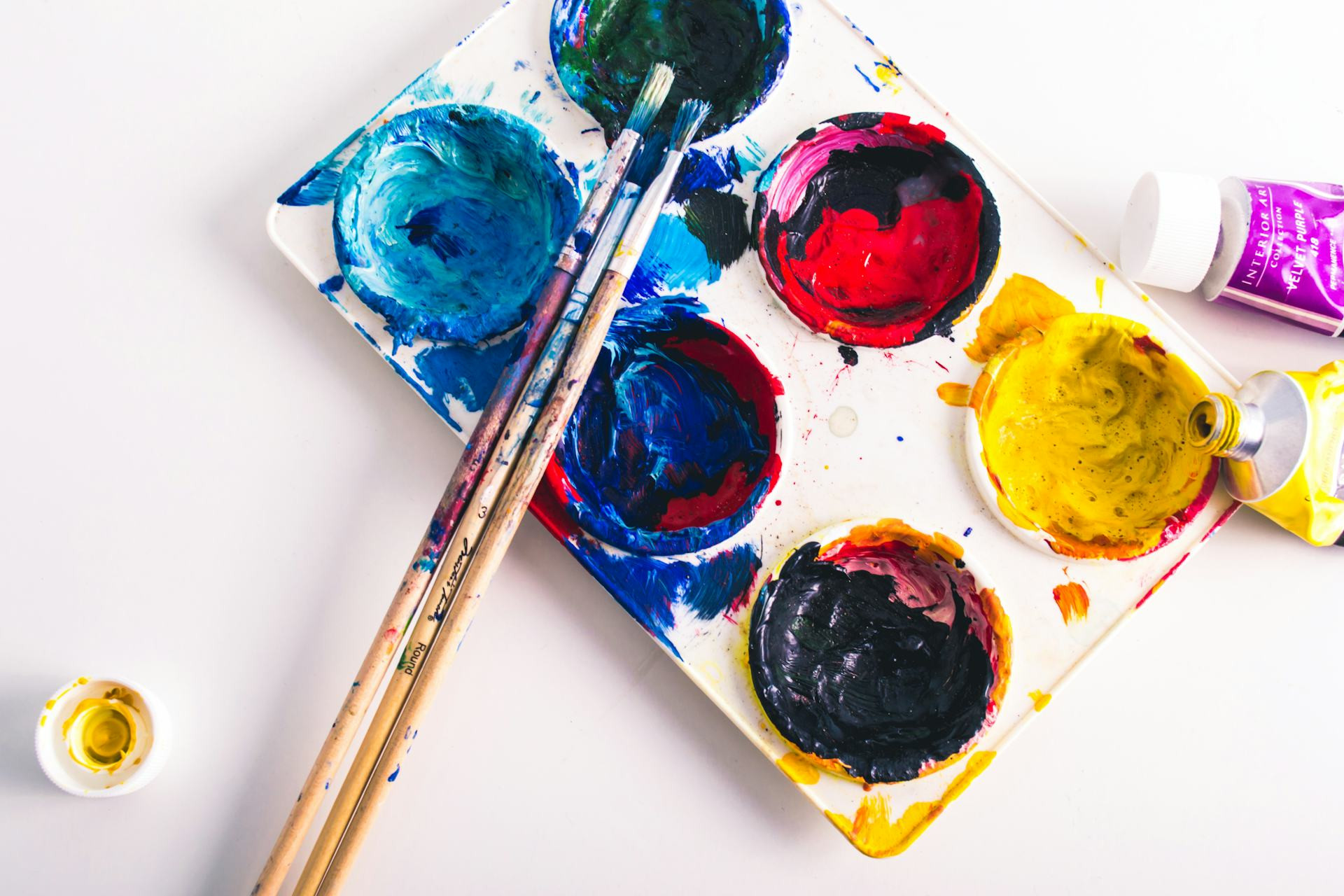
Color and shape are two of the most powerful tools in visual art. They can create mood, movement, and balance – or disrupt them on purpose. Play with contrasts: warm and cool colors, soft and sharp lines, large and small shapes. Notice how colors interact and how forms can create rhythm across your composition.
A great exercise is to paint the same subject several times using different color palettes or techniques. You’ll see how dramatically the feeling changes – and you might discover a direction that feels especially “you.”
Give the Process Time
Finding your style takes time. It develops gradually as you create more work and notice what you keep returning to. Maybe it’s certain colors, subjects, or ways of working that repeat themselves. Those patterns are signs that your style is taking shape.
Try not to compare your journey to others’. Some artists find their voice quickly, while others spend years experimenting. What matters most is that you keep creating – even when you doubt yourself. Every line and brushstroke brings you closer to your own artistic identity.
Create a Space for Your Creativity
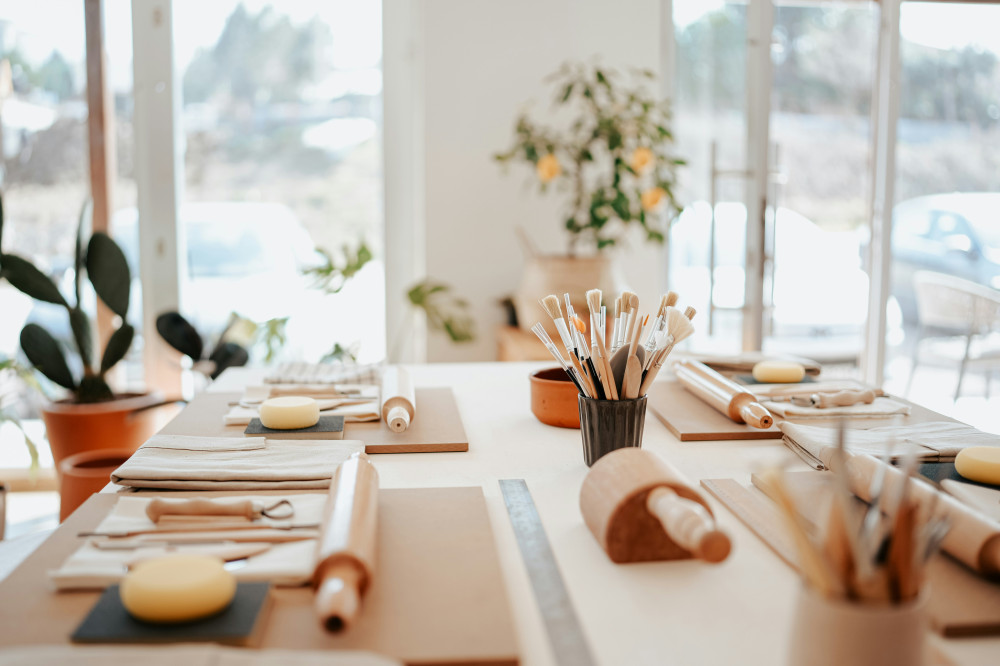
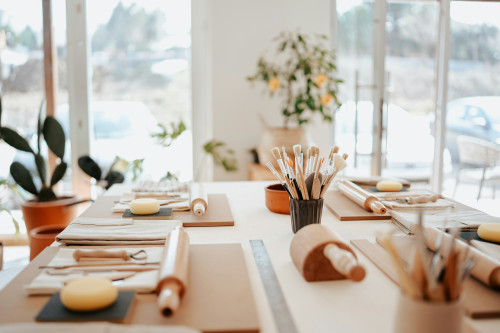
Having a dedicated space to create can make a big difference. It doesn’t have to be a full studio – a corner of your living room or a small desk by a window can be enough. Keep your materials easy to access so you can start whenever inspiration strikes. The easier it is to begin, the more often you’ll make art.
You can also build small rituals around your creative time: light a candle, play some music, or make a cup of coffee. These habits help you get into the right mindset and signal that it’s time to focus and create.
Læs også:


Your Style Is a Journey – Not a Destination
Finding your own painting and drawing style isn’t a final goal – it’s an ongoing journey. Your style will evolve as you grow as a person and as an artist. That’s part of the joy of creating – you’re constantly discovering new sides of yourself.
So give yourself permission to be in the process. Enjoy the moments when you lose yourself in color and form, and let your mistakes become part of your story. In the end, your style isn’t something you decide – it’s something that emerges when you dare to be yourself on the canvas.
Læs også: